So, you’re dealing with industrial spray nozzles and wondering how to get them working their best? It’s not as simple as just screwing them in and forgetting about them. These little parts do a lot, and when they’re not right, it can mess up your whole operation. We’re going to look at how to pick the right ones, keep them in shape, and make sure they’re doing their job properly. It’s all about making things run smoother and saving some money in the process.
Key Takeaways
- Picking the right industrial spray nozzles means matching their specs to what your system needs, like spray pattern and droplet size.
- Nozzle wear is a real problem that changes spray patterns, lowers pressure, and increases flow, costing you more.
- A regular check-up and cleaning schedule for your nozzles is a good idea to keep them working right.
- Using newer nozzle designs or automated spray controls can really boost how well your system performs.
- Making sure your industrial spray nozzles are installed straight and without leaks prevents waste and ensures even coverage.
Understanding the Critical Role of Industrial Spray Nozzles
You know, spray nozzles might seem like small parts in the grand scheme of an industrial operation, but they really do a lot. If they aren’t working right, things can get messy, fast. Think about it: if your spray pattern is all over the place, or the droplets are too big, you’re not cleaning effectively, or maybe you’re not coating a surface evenly. That can lead to products that don’t meet standards, which means more waste and more money down the drain. It’s not just about the product quality, either. Bad spray performance can also mean using way more water, chemicals, or energy than you need to. That adds up quickly on the bills.
The Impact of Poor Spray Performance on Operations
When spray nozzles aren’t doing their job properly, it’s not just a minor inconvenience. It can actually mess with your whole production line. For instance, if you’re using nozzles for cooling, an uneven spray pattern means some parts of your product might get too hot while others get too cold. That’s a recipe for defects. Or, if you’re applying a coating, inconsistent droplet size can result in a finish that’s blotchy or thin in some areas. This often means you have to re-do the process, which costs time and resources. Plus, dealing with the fallout from poor spray performance, like extra cleaning or dealing with rejected products, takes your team away from other important tasks. It can even create safety hazards, like slippery floors from overspray or issues with airborne chemicals if the spray isn’t contained properly.
Evaluating Your Current Spray System Performance
So, how do you figure out if your current spray system is up to snuff? It’s not rocket science, but it does take a bit of looking. First off, you need to know what your nozzles are actually doing. Are they producing the spray pattern you expect? Is the droplet size consistent? You can often tell just by looking at the results on the surface you’re spraying. Are there streaks? Is the coverage even? You might also want to check the pressure gauges. If the pressure is lower than it should be, that’s a sign something’s up, possibly with the nozzle itself or the system feeding it. It’s also a good idea to keep records. Track how long nozzles have been in use, any issues you’ve noticed, and the results you’re getting. This data can help you spot trends and identify when a nozzle might be starting to wear out. NozzlePro, a division of SuperKlean Washdown Products, offers solutions and expertise to help you assess your current setup.
Setting Goals for Spray System Optimization
Once you’ve got a handle on how your current system is performing, it’s time to think about where you want to be. What are you trying to achieve by optimizing your spray nozzles? Maybe you want to cut down on water usage by 10%, or reduce chemical consumption by 5%. Perhaps the goal is to speed up a particular process, like cleaning or coating, by 15% to increase throughput. Reducing product defects related to spraying is another common goal. You might also want to cut down on maintenance time or even automate certain spraying tasks so your staff can focus on more complex jobs. Whatever your goals are, make them specific and measurable. This way, you’ll know if your efforts are actually paying off. Having clear targets helps guide your decisions about nozzle selection, maintenance, and system adjustments. It’s all about making your operation more efficient and cost-effective.
Selecting the Optimal Industrial Spray Nozzles
Picking the right industrial spray nozzles is a big deal for how well your whole operation runs. It’s not just about spraying; it’s about doing it right, every time. Think about it – a bad nozzle can mess up product quality, waste materials, and even cause safety issues. That’s why we, at NozzlePro, put so much effort into helping you find exactly what you need.
Matching Nozzle Specifications to System Requirements
When you’re looking for new nozzles, the first thing to figure out is what your system actually needs. This means looking at things like the pressure your system runs at and how much liquid you need to move. You don’t want a nozzle that’s too restrictive, or your pump might struggle. On the flip side, a nozzle that’s too open can waste liquid and not give you the spray you’re after. It’s a balancing act. For example, if you’re using an air atomizing spray nozzle, the air and liquid pressures are both super important for getting the right droplet size and spray pattern. We have a wide range of options, from simple air nozzles to complex pressure wash nozzle setups, all designed to fit different industrial needs. Getting this match right is the first step to better performance. You can find a lot of great information on selecting the right nozzle for your specific needs on NozzlePro’s website.
Considering Spray Pattern and Droplet Size
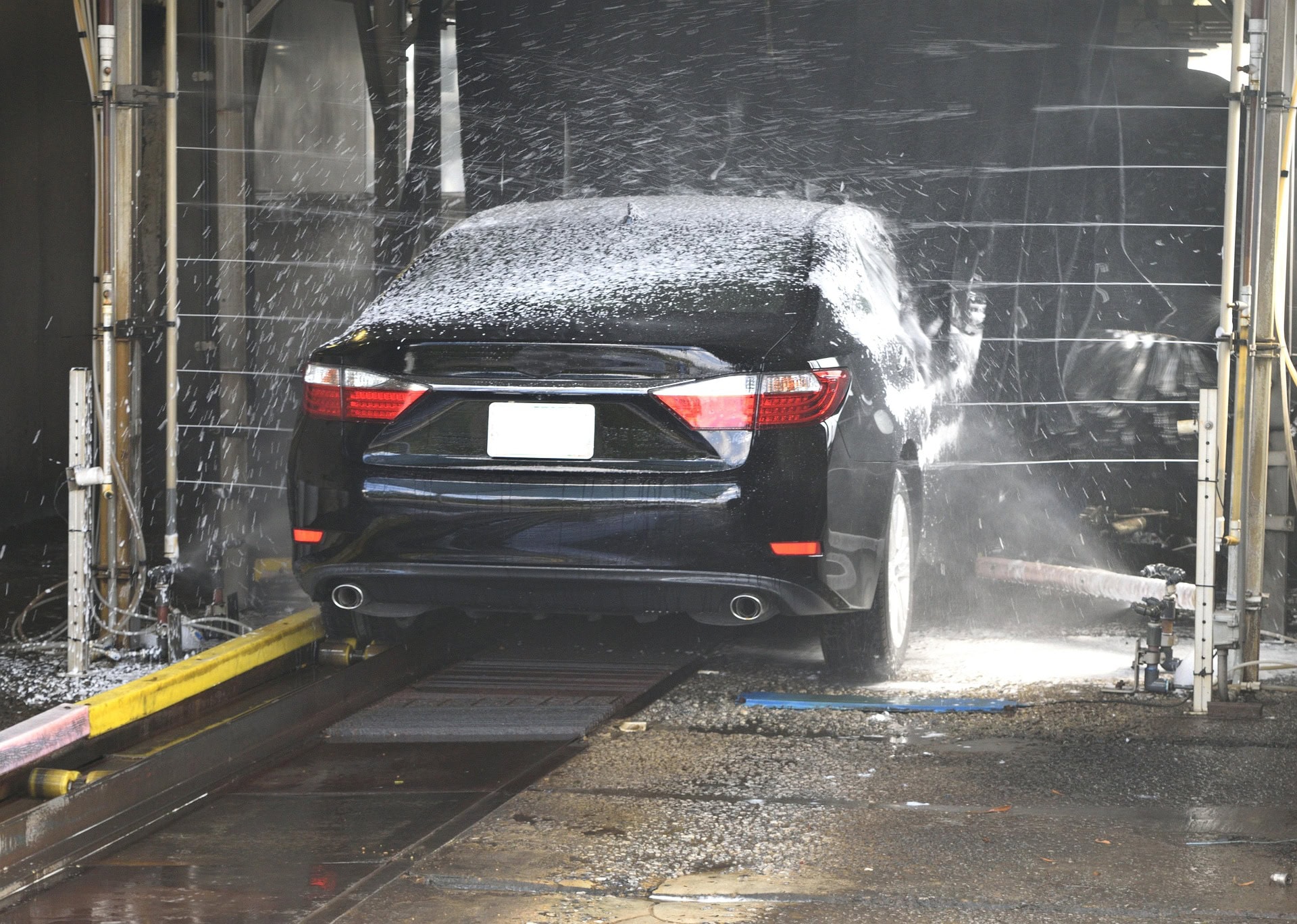
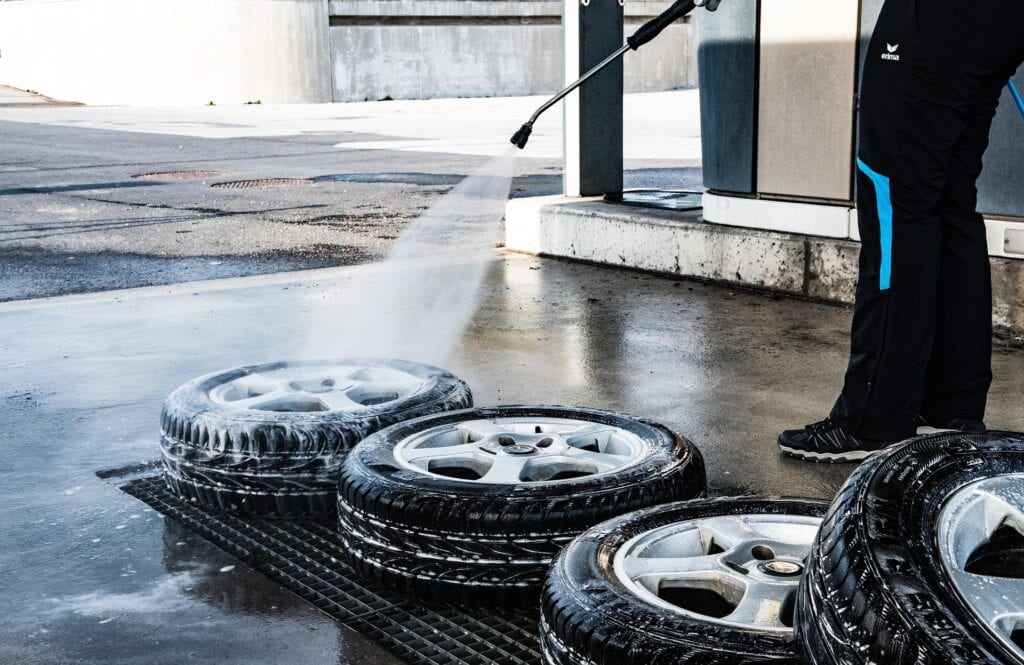
Okay, so you’ve got the pressure and flow sorted. Now, what kind of spray do you actually want? This is where spray patterns and droplet sizes come in. Do you need a wide, even coverage like a flat fan nozzle or flat spray nozzle provides? Or maybe you need a full circle of spray from a full cone nozzles? Sometimes, a hollow cone nozzle is better for certain cooling or coating jobs. Then there’s droplet size. For things like cooling or dust suppression, you might want a fine mist from a misting nozzle or fog nozzle, sometimes called a fogger nozzle. Smaller droplets evaporate faster, but they can also drift more. If you’re cleaning, a high pressure nozzle with a more focused spray might be what you need, like those used in car wash spray nozzles or general pressure cleaning nozzle applications. Getting the droplet size and pattern right means your spray does its job effectively without wasting resources.
Choosing Appropriate Nozzle Materials for Durability
Finally, what the nozzle is made of matters a lot, especially in tough industrial settings. If you’re spraying chemicals, you need a material that won’t react with them or break down. Stainless steel is a common choice for its strength and resistance to corrosion, but sometimes other materials like specific plastics or ceramics are better depending on the application. We’ve seen customers have issues when they don’t consider the material compatibility, leading to premature wear or even leaks. It’s not just about the spray pattern; it’s about how long the nozzle will last and how reliably it will perform. Choosing the right material is key to avoiding costly replacements and downtime. NozzlePro offers a variety of materials to suit even the most demanding environments.
Detecting and Managing Industrial Spray Nozzle Wear
When your industrial spray nozzles start to wear out, it’s not just a minor inconvenience; it can really mess with your whole operation. Think about it: a worn nozzle might not spray like it used to. The pattern could get all wonky, or the pressure might drop. This isn’t good, especially if you’re using something like an automated car wash nozzle where consistent coverage is key, or a tank washer nozzle that needs a specific impact force.
How Nozzle Wear Affects Spray Consistency and Pressure
So, what exactly happens when a nozzle wears down? The opening, or orifice, gets bigger. This means more liquid can pass through, usually at a faster rate than intended. This change directly impacts the spray. Instead of a nice, even fan or a tight cone, you might get a pattern that’s heavy in the middle or has uneven edges. For pressure, a worn nozzle often can’t maintain the same pressure as a new one. This reduction in pressure can mean less effective cleaning, coating, or cooling, depending on what you’re using the nozzle for. It’s like trying to wash a car with a dribbling hose – just not the same effect.
Methods for Accurately Identifying Nozzle Wear
Just looking at a nozzle might not tell you much. You can’t always see the wear with the naked eye. A better way to check is to compare the flow rate of your current nozzle with a brand-new one. Here’s a simple way to do it:
- Get a new nozzle of the same type.
- Measure the flow rate of the new nozzle. Spray it into a container for a set amount of time (say, 30 seconds) and then measure the volume of liquid collected. Calculate the flow rate (e.g., liters per minute).
- Measure the flow rate of your existing nozzle using the same method.
- Compare the results. If your existing nozzle is putting out significantly more liquid than the new one, it’s likely worn out.
Keeping track of these flow rates over time can give you a good idea of when a nozzle is nearing the end of its useful life. It’s a practical way to catch problems before they cause bigger issues.
The Cost Implications of Neglecting Nozzle Wear
Ignoring worn nozzles can get expensive. You might be using more water, chemicals, or energy than you need to because the nozzle isn’t performing efficiently. This over-consumption adds up quickly. Plus, if the spray pattern is off, you might get poor product quality, leading to rejected batches or rework. For businesses like those using automated car wash nozzles, inconsistent spray means cars might not get properly cleaned, leading to customer complaints. For a tank washer nozzle, reduced impact force could mean longer cleaning cycles or incomplete cleaning, which is a big problem in many industries. It’s often cheaper to replace a worn nozzle than to pay for the wasted resources and potential quality issues it causes. NozzlePro offers solutions designed for durability and consistent performance, helping you avoid these costly problems.
Implementing a Proactive Maintenance Program for Nozzles
Think of your spray nozzles like the tires on your car. If you don’t rotate them or check the pressure, they wear out faster and don’t perform as well. The same goes for industrial spray nozzles, especially those used in demanding jobs like tank cleaning nozzles. Setting up a regular maintenance schedule is a smart move that can save you a lot of headaches and money down the line. It’s not just about keeping things running; it’s about keeping them running right.
Establishing Routine Inspections and Cleaning Schedules
So, what does a good maintenance program look like? It starts with looking at your nozzles regularly. You don’t need to be a rocket scientist to spot obvious problems.
- Visual Checks: Just give them a quick look. Are there any obvious cracks, dents, or blockages? Is the spray pattern looking a bit off?
- Performance Monitoring: Keep an eye on how they’re actually spraying. Is the flow rate what it should be? Is the pressure consistent? If you notice changes, it’s time to investigate.
- Cleaning: Depending on what you’re spraying, buildup can happen. For many applications, a simple rinse with water or a compatible solvent can do wonders. For tougher jobs, you might need to take them apart for a more thorough clean. NozzlePro solutions are designed for easy cleaning and maintenance.
Neglecting these simple checks can lead to uneven coverage, wasted product, and premature wear, costing you more in the long run.
Strategies to Slow Down Nozzle Wear
Besides just cleaning, there are ways to make your nozzles last longer. It’s all about reducing the stress on them.
- Pressure Management: Running your system at the lowest effective pressure can significantly reduce wear. High pressure means higher liquid velocity, and that speeds up erosion.
- Filtration: Make sure your system has good filters. Dirty fluid is a major cause of wear, especially for precision components. Using nozzles with integrated strainers can catch particles before they even reach the nozzle orifice.
- Material Choice: When selecting nozzles, consider the material. Some materials are much more resistant to abrasion and corrosion than others. This is where talking to experts, like those at NozzlePro, can help you pick the right material for your specific application.
The Benefits of Using Nozzles with Integrated Strainers
Speaking of strainers, they’re a really simple but effective addition. Think of them as tiny guards for your nozzles.
- Particle Capture: They trap grit, sediment, and other debris that could otherwise get into the nozzle and cause damage or blockages.
- Reduced Downtime: By preventing clogs and wear, strainers mean less unscheduled downtime for cleaning or replacement.
- Consistent Performance: Cleaner nozzles mean more consistent spray patterns and flow rates, which is important for process control. This is especially true for sensitive applications like those requiring precise tank cleaning nozzles.
Enhancing Performance with Advanced Spray Technologies

Sometimes, the best way to get more out of your spray system is to look at what’s new. The world of industrial spray nozzles isn’t static; there are always new designs and technologies coming out that can make a real difference in how efficiently your operation runs. It’s not just about replacing worn-out parts, but about actively seeking out upgrades.
Leveraging Newer Nozzle Designs for Improved Efficiency
Think about how much spray technology has changed. Newer nozzle designs often incorporate features that lead to better atomization, more uniform coverage, and reduced overspray. For instance, some designs are specifically engineered to produce finer droplets, which can be a big deal for coating applications where evenness is key. Others focus on creating specific spray patterns, like flat fans or full cones, with much tighter tolerances than older models. This precision means you’re using your fluids more effectively, whether it’s for cleaning, cooling, or coating. At NozzlePro, we’re always looking at these advancements to help our customers improve their processes. We know that even small changes in nozzle performance can add up to significant savings in materials and time.
The Advantages of Automated Spray Control Systems
Automating your spray operations can really change the game. Instead of manual control, which can be inconsistent, automated systems use sensors and controllers to adjust spray parameters in real-time. This means you get the right amount of spray exactly when and where it’s needed. For tank cleaning, for example, automated CIP spray ball systems can ensure thorough coverage of all internal surfaces, reducing cleaning cycles and chemical usage. This level of control is hard to achieve manually, and it takes a lot of the guesswork out of the process. It’s about precision and repeatability, which are always good things in an industrial setting.
Optimizing Flow Rates for Reduced Consumption
It might sound simple, but getting the flow rate right is a huge part of optimizing your spray system. Using a nozzle with a flow rate that’s too high for the job means you’re wasting water, chemicals, and energy. We’ve seen customers drastically cut down on consumption just by switching to a nozzle with a more appropriate flow rate. For example, if you’re performing spray ball tank cleaning, you need a flow rate that provides enough impact to clean effectively but not so much that it’s wasteful. Finding that sweet spot is where the real savings happen. It’s about matching the nozzle’s output to the actual requirements of the task at hand, not just using the biggest or fastest option available. Sometimes, a smaller, more efficient nozzle can do the job just as well, if not better, and save a lot of resources in the process.
Ensuring Proper Installation and Alignment
Getting your spray nozzles installed and aligned correctly is more important than you might think. It’s not just about screwing them in and hoping for the best. When nozzles are out of whack, you can end up with all sorts of problems, from uneven coverage to leaks, which just wastes materials and time. Think of it like trying to paint a wall with a spray can that’s held at a weird angle – you’ll get drips and missed spots. The same principle applies in industrial settings, where precision really matters.
The Importance of Correct Nozzle Alignment
Proper alignment means making sure each nozzle is pointed exactly where it needs to be. If a nozzle is angled incorrectly, the spray pattern will be distorted. This can lead to some areas getting too much of whatever you’re spraying, and others not getting enough. For example, in a cooling process, uneven spray means some parts of a product might be overcooled while others aren’t cooled enough, leading to quality issues. Getting the alignment right from the start is key to achieving consistent results. It’s about making sure the spray hits the target surface uniformly across the entire area.
Preventing Leaks Through Proper Installation Techniques
Leaks are a big headache. They waste product, create slip hazards, and can even be dangerous if you’re dealing with chemicals. Most leaks happen because the nozzle wasn’t installed properly. This could be due to:
- Loose fittings: Not tightening connections enough can let liquid seep out.
- Damaged seals: If the seal or gasket is damaged during installation, it won’t create a watertight seal.
- Cross-threading: Forcing a nozzle into a fitting incorrectly can damage the threads, making a proper seal impossible.
It’s important to follow the manufacturer’s instructions for each specific nozzle. For instance, some nozzles might require a specific type of sealant or thread tape. At NozzlePro, we know that using the right installation methods can prevent these issues. Making sure you have the right nozzle specifications for your system is the first step.
Addressing Dripping and Leaks with Corrective Actions
Even with careful installation, you might still encounter dripping or leaks. When this happens, you need to figure out why and fix it. Common causes for dripping, besides installation errors, include:
- Worn-out seals or O-rings: Over time, these can degrade and lose their sealing ability.
- Internal wear: If the nozzle’s internal components are worn, it can affect how the liquid flows and cause drips.
- Incorrect pressure: Spraying at pressures outside the nozzle’s recommended range can sometimes lead to dripping.
When troubleshooting leaks, start with the simplest solutions. Check that all connections are snug. If the dripping continues, inspect the seals and internal components for wear. Replacing worn parts promptly is usually the most effective fix. For many applications, using nozzles made from durable materials can also reduce the frequency of these issues.
Regular checks and prompt action are the best ways to keep your spray system running smoothly and prevent costly downtime or product defects.
Wrapping Up: Keeping Your Spray Systems Running Smoothly
So, we’ve talked a lot about spray nozzles, how they work, and why they matter. It’s easy to overlook these small parts, but they really do have a big effect on how well your whole system performs. Paying attention to things like wear and tear, making sure your nozzles are set up right, and even just picking the best ones for the job can save you a lot of headaches and money down the road. Think about it – better spray patterns mean better product quality, and less wasted water or chemicals means lower bills. Plus, keeping up with a simple maintenance schedule can stop small problems from turning into big, costly ones. It’s all about being smart with your equipment so it works for you, not against you.
Frequently Asked Questions
Why are spray nozzles so important in factories?
Spray nozzles are like the tiny but mighty workers in a factory. They precisely spray liquids like water or chemicals for many jobs, such as cleaning, cooling, or coating. When they work right, everything runs smoothly. But if they don’t, it can cause big problems with product quality and cost a lot of money.
What happens when spray nozzles get old and worn out?
When nozzles wear down, they don’t spray the same way. The spray pattern might get messy, the pressure can drop, and more liquid might come out than it should. This means less effective spraying, wasted materials like water or chemicals, and sometimes even bad products that need to be thrown away.
How can I tell if my spray nozzles are worn out?
Just looking at a nozzle might not be enough. A good way to check is to compare how much liquid a new nozzle sprays in a certain time versus how much your current nozzle sprays. If the old one sprays a lot more, it’s probably worn out and needs replacing. Companies like NozzlePro have tools to help you figure this out.
What’s the best way to keep spray nozzles working well?
The best approach is to have a regular check-up plan for your nozzles. This means cleaning them often and looking for any signs of wear. You can also try using less pressure to make them last longer, or switch to nozzles that have built-in filters to catch dirt that can cause damage.
Can newer spray nozzles really make a difference?
Yes, definitely! Newer nozzle designs are often made to be more precise, use less energy, and last much longer. Some even have special features to prevent clogging. By upgrading to better nozzles, you can improve how well your machines work and save money in the long run.
What should I do if my nozzles are dripping or leaking?
Drips and leaks waste materials and can be dangerous, especially with chemicals. Make sure the nozzles are installed correctly and tightly. Regularly clean and inspect them for worn-out parts or seals. If leaks continue, it might be time to replace the nozzle or check that it’s made of a material that works well with the liquid you’re spraying.