Washdown systems are more than just a hose and a nozzle. They’re carefully designed setups with several parts working together to get things clean in industrial settings. Think food processing plants, breweries, or any place where hygiene is super important. Let’s break down the main pieces:
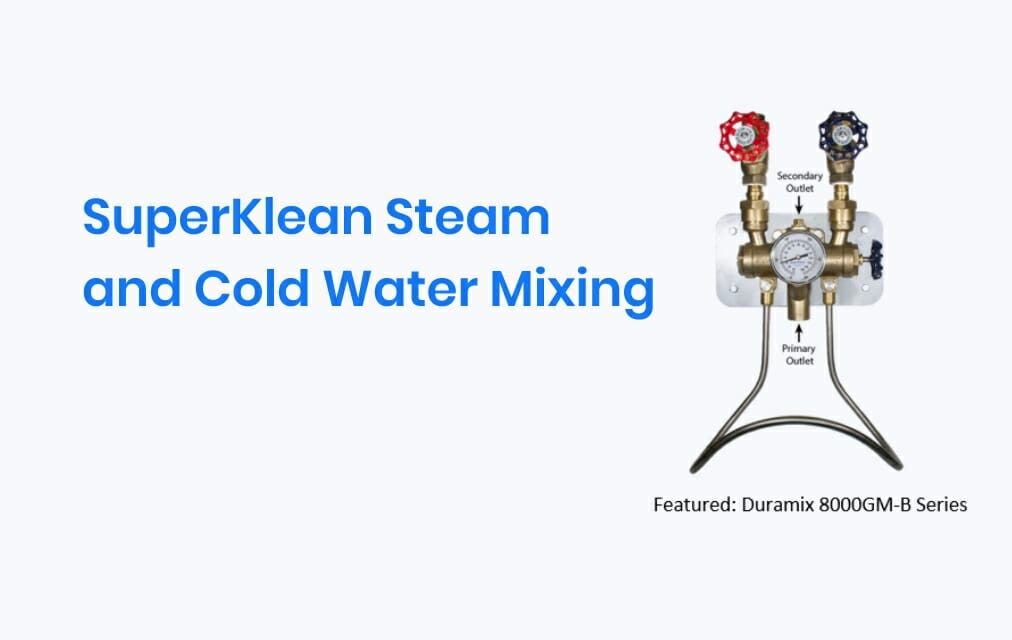
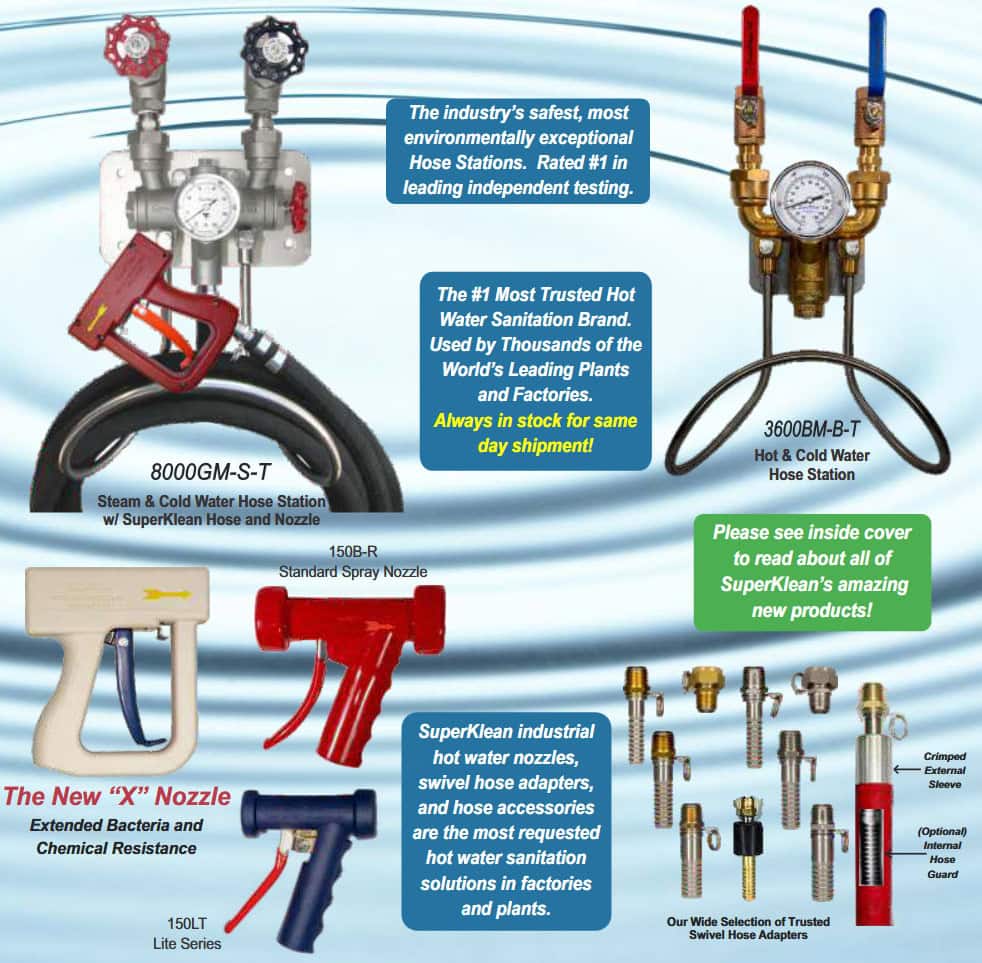
Steam and Water Mixing Stations
These are the brains of the operation if you’re using hot water. Basically, they mix steam and cold water to get the right temperature for cleaning. It’s not just about hot water though; it’s about consistent hot water. Good mixing stations will:
- Produce hot water instantly from steam and cold water.
- Let you adjust the temperature easily.
- Have special chambers to mix everything evenly.
- Include safety features, like shutting off the steam if the cold water stops. Nobody wants a steam explosion!
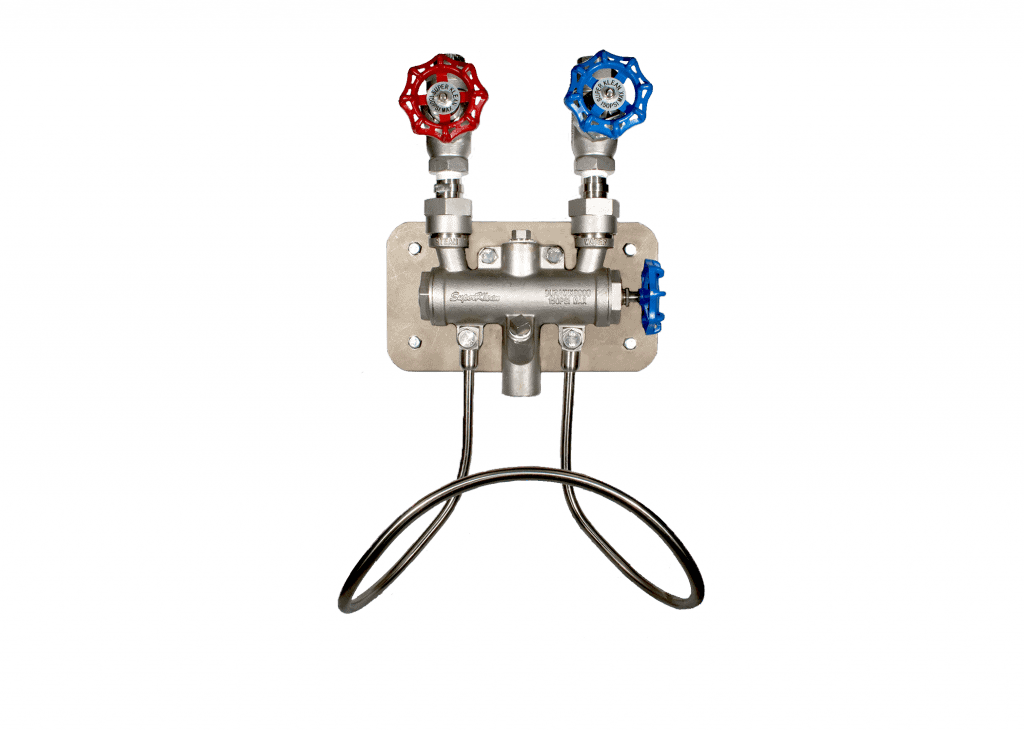
Some fancy ones even have gauges to show you exactly how hot the water is. This is important for meeting certain regulations and making sure you’re actually killing bacteria.
Purpose-Built Washdown Hoses
Your garden hose isn’t going to cut it here. Washdown hoses are made to handle tough conditions. They need to withstand high temperatures, pressure, and chemicals. Here’s what to look for:
- High temperature resistance (up to 200°F is pretty standard).
- Pressure capacity (usually 150-250 PSI).
- Material that resists oils, fats, and cleaning chemicals.
- Flexibility, so they’re easy to move around.
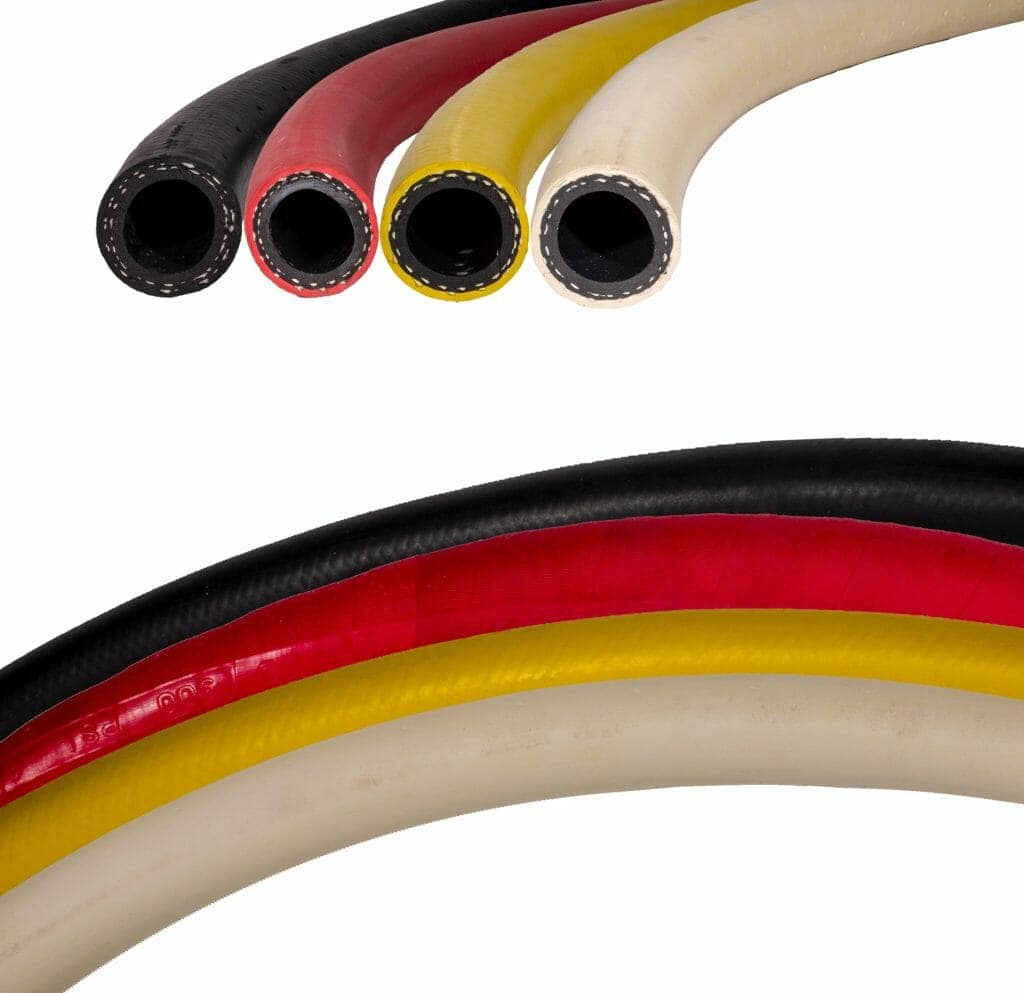
You can get different types of hoses depending on what you’re cleaning. Some are better for oil resistance, others for heat. Color-coding is also a thing, so you can tell which hose is for which job.
Effective Spray Nozzles
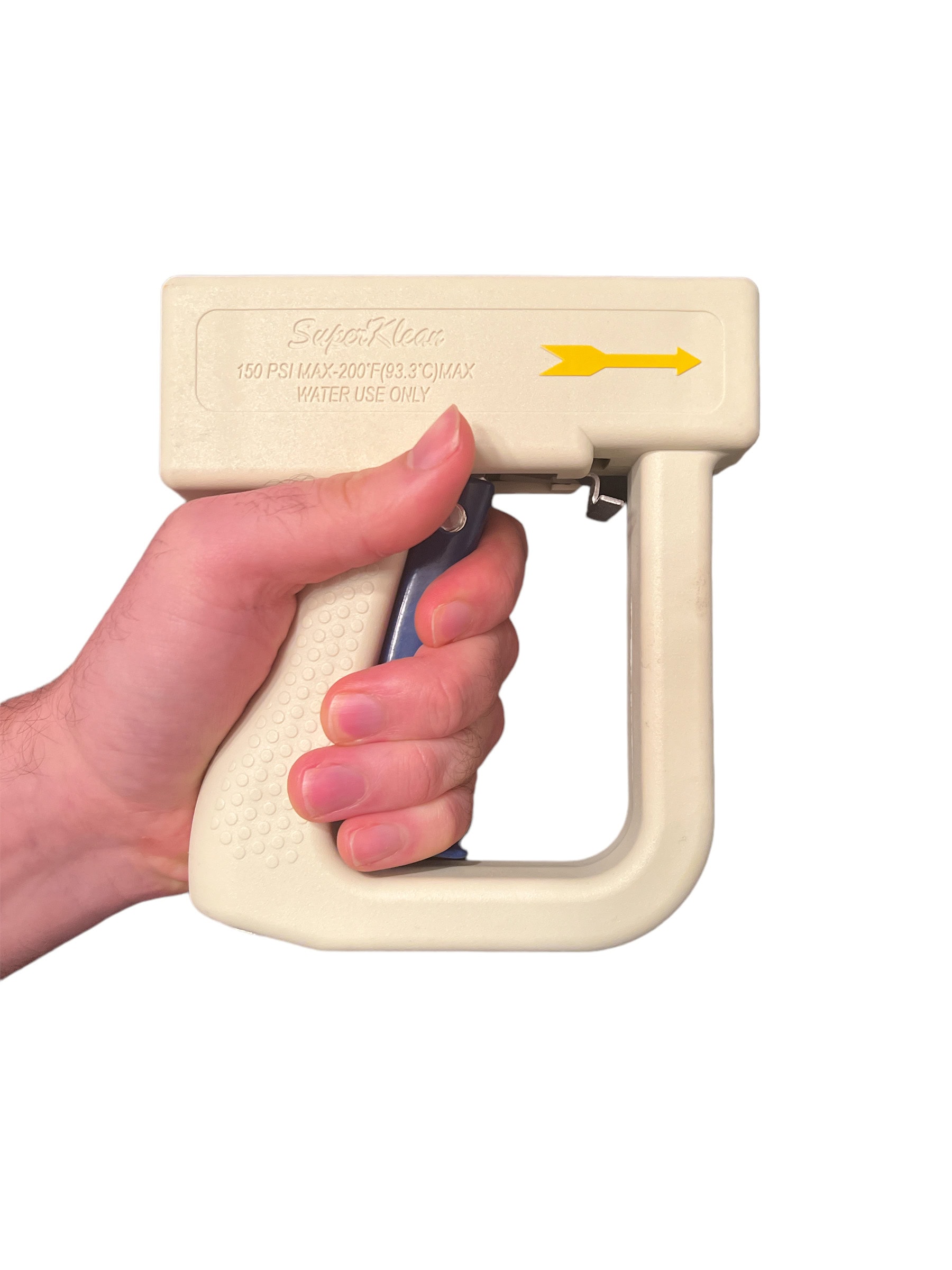
The nozzle is where the water actually comes out, and it’s important to have one that works well. You want something that’s durable and easy to use. Good nozzles usually have:
- Variable spray patterns, from a gentle spray to a powerful stream.
- Easy-to-use levers.
- Tough materials like bronze or stainless steel.
- Rubber covers to protect them from damage.
Essential Accessory Components
Beyond the main parts, there are other things that can make your washdown system better. These might include:
- Hose reels: To keep the hose organized and out of the way.
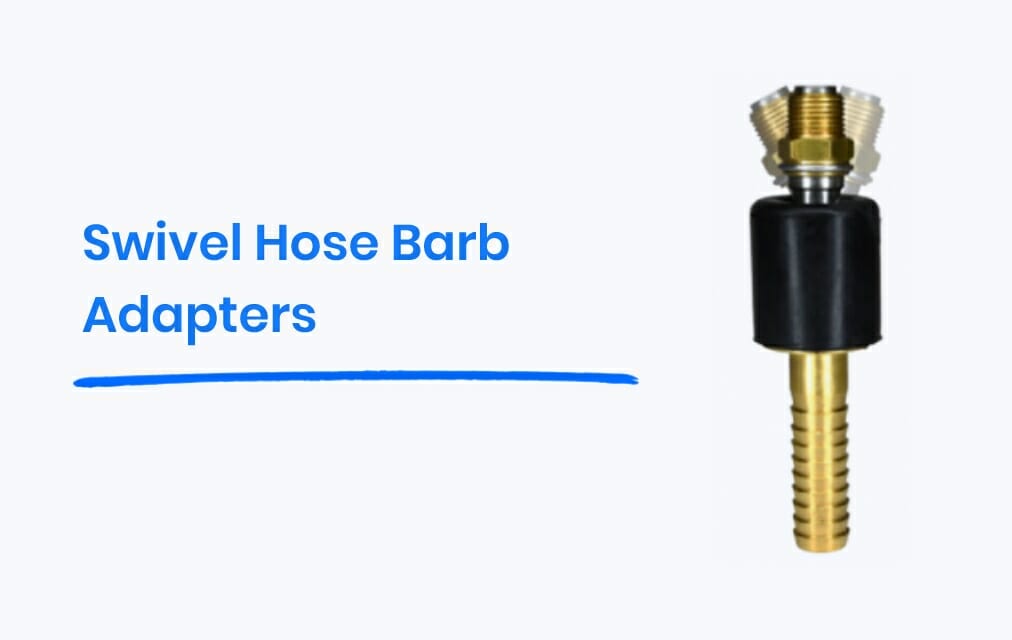
- Swivels: To prevent the hose from kinking.
- Quick disconnects: To easily switch between different nozzles or hoses.
- Filters: To remove debris from the water.
Putting together a washdown system is like building anything else. You need the right tools for the job. Choosing the right components will make cleaning easier, more effective, and safer in the long run. Don’t skimp on quality, because it will pay off in the end.
Key Selection Criteria for Your Washdown Hose
Choosing the right washdown hose isn’t just about grabbing any old hose off the shelf. It’s about understanding your specific needs and matching the hose to the task. Get it wrong, and you could be dealing with anything from ineffective cleaning to a hose that fails way too soon. Here’s what to think about:
Temperature Requirements for Cleaning
Temperature is a big deal. Different industries and even different tasks within the same facility need different water temperatures. For example:
- Dairy plants often need water around 145-160°F.
- Meat processing might require even hotter water, like 165-180°F, to deal with fats.
- Breweries sometimes use cooler temperatures, like 120-140°F, but with special cleaning chemicals.
Make sure your hose can handle the maximum temperature you’ll be using. A hose that can’t take the heat will degrade quickly, crack, and eventually fail. It’s also important that your mixing station can consistently deliver water at the temperature you need.
Pressure and Flow Rate Considerations
Pressure and flow rate go hand in hand. You need enough pressure to blast away grime, but not so much that you damage equipment. And you need enough flow to get the job done efficiently.
- Most food processing applications do well with 50-100 PSI.
- If you’re dealing with really stuck-on stuff, you might need up to 150 PSI.
- Delicate equipment might need lower pressures, like 30-50 PSI.
- Flow rates usually range from 3-12 GPM, depending on what you’re cleaning.
It’s a balancing act. Too little pressure, and you’re scrubbing forever. Too much, and you risk damaging surfaces or splashing contaminants around. Think about what you’re cleaning and choose a hose with the right pressure and flow rate for the job.
Material Compatibility with Chemicals
This is where things can get tricky. You need to make sure the hose material can stand up to whatever cleaning chemicals you’re using. Some chemicals can eat away at certain types of rubber or plastic, leading to leaks and failures. Also, consider the food products themselves. You don’t want a hose that’s going to leach harmful chemicals into the food.
- Check that the hose is compatible with all the cleaning chemicals and sanitizers you use.
- Make sure it’s made of food-grade materials if you’re in the food industry.
- Consider the environmental conditions, like temperature and humidity.
- Keep an eye on regulatory requirements, like FDA or USDA standards.
For food processing, stainless steel fittings and food-grade hose materials are usually a must. It’s worth spending a little extra to get a hose that’s built to last and won’t contaminate your products.
Optimizing Washdown Hose Performance
Ergonomics and Operator Safety
It’s easy to overlook how much operator comfort impacts cleaning. If your team is fighting the equipment, they won’t clean as well. Hose weight and flexibility are key factors in reducing fatigue. Think about it: a lighter, more flexible hose is easier to maneuver, especially in tight spots. Nozzle design matters too. A nozzle that’s easy to grip and control will reduce hand strain during long cleaning sessions. Also, make sure your steam mixing stations have safety features to prevent burns or other accidents.
Don’t forget about hose length. Too short, and your team can’t reach everything. Too long, and it becomes a tripping hazard and a pain to drag around. Getting the right length is a simple way to improve both safety and efficiency.
Industry-Specific Regulatory Compliance
Different industries have different rules about washdown procedures. Food processing plants, for example, have strict guidelines from the FDA and USDA. Make sure your washdown system meets all the relevant regulations for your industry. This might mean using specific materials, like stainless steel fittings, or following certain cleaning protocols. It’s not just about avoiding fines; it’s about keeping your products and customers safe.
Facility Size and Layout Impact
The size and layout of your facility will affect how you set up your washdown system. In a small facility, you might only need one or two mixing stations. But in a larger plant, you’ll need to strategically place multiple stations to minimize hose length and maximize coverage. Think about where the dirtiest areas are and make sure those spots are easy to reach with a hose. Also, consider the location of drains and make sure water can flow easily without creating puddles or hazards.
Here’s a simple table to illustrate how facility size might influence the number of washdown stations needed:
| Facility Size (sq ft) | Recommended # of Stations |
| Under 5,000 | 1-2 |
| 5,000 – 15,000 | 3-5 |
| Over 15,000 | 6+ |
Best Practices for Washdown Hose Installation
Proper installation is super important for washdown systems. It’s not just about slapping things together; it’s about safety, how well the system works, and how long everything lasts. Get it wrong, and you’re looking at problems down the road.
Mixing Station Placement and Setup
Where you put your mixing station matters. You don’t want it miles away from where you need to clean, but you also don’t want it in the way. Here’s what I usually tell people:
- Mount those mixing stations securely. Walls or posts are good, and aim for about 4-5 feet off the ground. Makes it easy to reach.
- Make sure you’ve got enough steam coming in, usually around 15-80 PSI. Not enough steam, and you’re not getting hot water.
- Same goes for cold water – 20-80 PSI is a good range. You need both for the system to work right.
- Put pressure gauges on both the steam and water lines. This makes troubleshooting a whole lot easier. If something’s off, you can see it right away.
- Think about where you’ll be using the hose the most and put the station nearby. Less hose to drag around.
Getting the mixing station right sets the stage for everything else. If it’s not set up well, you’re fighting an uphill battle from the start.
Proper Washdown Hose Management
Washdown hoses can be a pain if they’re not managed well. They get tangled, they get damaged, and people trip over them. Here’s how to keep things under control:
- Hose racks or reels are your friends. Get those hoses off the floor when you’re not using them.
- Swivel fittings at the connections can stop the hose from twisting up. Trust me, your arms will thank you.
- Make sure the hose is long enough to reach where you need to clean, but not so long that it’s a tripping hazard.
- Think about using different colored hoses for different areas or chemicals. It helps keep things organized.
- Strain relief at the connection points is a must. It keeps the hose from getting pulled and damaged.
Integrating Safety Systems
Safety is always the top priority. Washdown systems can be dangerous if you’re not careful, especially with hot water and steam. Here’s what to keep in mind:
- Emergency shutoff valves are a must. Make sure they’re easy to reach in case something goes wrong.
- Good drainage is important to prevent standing water. Nobody wants to slip and fall.
- Post the temperature and pressure specs near each station. It’s a good reminder of what you’re working with.
- Thermostatic mixing valves can help keep the water temperature consistent. It’s an extra layer of safety.
- Lockout procedures for maintenance are important. You don’t want someone turning on the system while you’re working on it.
Choosing the Right Washdown Hose for Specific Applications
It’s not just about getting any washdown hose; it’s about getting the right one for the job. Different applications have different needs, and picking the wrong hose can lead to problems down the line. Think about it – a hose that’s great for a brewery might not hold up in a meat processing plant. Let’s break down some key considerations.
Hose Material for Chemical Resistance
Okay, so you’re dealing with some pretty harsh chemicals. Makes sense. You need a hose that can handle it. Not all hoses are created equal when it comes to chemical resistance. Some materials degrade quickly when exposed to certain substances, leading to leaks, bursts, and contamination. Here’s a quick rundown:
- EPDM: Good for hot water and some chemicals, but not great with oils.
- Nitrile: Excellent oil resistance, but might not hold up to strong acids.
- Chlorobutyl: A good all-around option with decent resistance to many chemicals.
It’s always best to check the manufacturer’s chemical resistance chart to make sure the hose you choose is compatible with the chemicals you’re using. Don’t just guess – it could save you a lot of headaches (and money) later on.
Pressure Ratings for Demanding Tasks
Need to blast away some stubborn grime? You’re going to need a hose with a high-pressure rating. Pressure ratings are measured in PSI (pounds per square inch), and it’s important to choose a hose that can handle the pressure your system is putting out. Exceeding the pressure rating can cause the hose to burst, which is dangerous and can damage equipment.
Here’s a general guide:
- Light-duty cleaning: 150-200 PSI
- Medium-duty cleaning: 200-300 PSI
- Heavy-duty cleaning: 300+ PSI
Also, consider the flow rate (GPM – gallons per minute). Higher flow rates can help you clean faster, but they also require a hose with a larger diameter.
Temperature Tolerance for Hot Water Washdown
Hot water is a great way to sanitize and remove grease, but it can also damage hoses that aren’t designed for it. Make sure your hose is rated for the temperatures you’ll be using. Most standard washdown hoses can handle temperatures up to 200°F, but some specialized hoses can handle even higher temperatures. EPDM hoses, for example, are known for their excellent heat resistance.
Using a hose that’s not rated for hot water can cause it to become brittle, crack, and eventually fail. This can lead to leaks, downtime, and even injuries. Always check the temperature rating before using hot water.
Consider these points when selecting your washdown hose, and you’ll be well on your way to a cleaner, safer, and more efficient operation.
Maintaining Your Washdown Hose for Longevity
Let’s face it, washdown hoses take a beating. They’re dragged around, exposed to chemicals, and subjected to extreme temperatures. But with a little care, you can significantly extend their lifespan and avoid costly replacements. Here’s how to keep your hoses in top shape:
Regular Inspection and Care
Think of regular inspections as preventative medicine for your washdown hoses. A quick once-over can catch small problems before they turn into big ones. Here’s what to look for:
- Visual Checks: Look for any signs of damage like cuts, abrasions, bulges, or kinks. Pay close attention to the areas near the couplings, as these are common stress points.
- Leak Tests: Turn on the water and check for leaks along the hose and at the connections. Even a small leak can indicate a weakening of the hose material.
- Flexibility: Check the hose’s flexibility. If it feels stiff or brittle, it may be a sign that the material is degrading.
Regular cleaning is also important. Rinse the hose after each use to remove any residual chemicals or debris. Use a mild detergent if necessary, but avoid harsh solvents that could damage the hose material.
Proper Storage Techniques
How you store your washdown hose can have a big impact on its longevity. Here are a few tips to keep in mind:
- Avoid Direct Sunlight: UV radiation can degrade the hose material over time. Store hoses in a shaded area or indoors.
- Use Hose Reels or Racks: These help prevent kinks and tangles, which can weaken the hose. Plus, they keep the hose off the floor, reducing the risk of damage.
- Drain the Hose: Before storing, make sure to drain all the water from the hose. This prevents the growth of mold and mildew, which can damage the hose material.
Recognizing Wear and Tear
Even with the best care, washdown hoses will eventually show signs of wear and tear. Knowing what to look for can help you determine when it’s time for a replacement.
- Cracking or Fraying: These are clear signs that the hose material is breaking down. Don’t wait for a major failure – replace the hose as soon as you notice these issues.
- Reduced Pressure: If you notice a significant drop in water pressure, it could be due to internal damage or blockages in the hose.
- Stiff or Brittle Sections: As mentioned earlier, a loss of flexibility indicates that the hose material is degrading and needs replacement.
Replacing your washdown hose at the first sign of significant wear is crucial for maintaining a safe and efficient washdown system. Ignoring these signs can lead to hose failures, which can cause injuries, downtime, and costly repairs.
Advanced Features in Modern Washdown Hoses
Washdown hoses have come a long way! It’s not just about a rubber tube anymore. Modern hoses incorporate some pretty cool features designed to make cleaning easier, safer, and more efficient. Let’s take a look at some of the advancements you might find.
Color-Coding for Application Designation
Ever mixed up hoses for different tasks? Color-coding can help prevent cross-contamination and ensure the right hose is used for the right job. Different colors can be assigned to specific cleaning agents or areas of the facility. This simple system can significantly reduce errors and improve hygiene.
For example:
- Blue: General cleaning
- Red: Sanitizing
- Green: Potable water
- Yellow: Specific chemical application
Enhanced Flexibility for Maneuverability
Stiff, unwieldy hoses can be a pain, especially in tight spaces. Modern washdown hoses often feature enhanced flexibility, making them easier to maneuver around equipment and obstacles. This reduces strain on the operator and improves cleaning efficiency. Materials and construction techniques contribute to this flexibility. You’ll find hoses made with special polymers or reinforced with flexible braiding.
Specialized Cover Compounds
The outer cover of a washdown hose takes a beating. It needs to withstand abrasion, chemicals, and extreme temperatures. Modern hoses use specialized cover compounds designed for specific environments. For example, some covers are highly resistant to oils and fats, while others are better suited for acidic or alkaline cleaning agents. Choosing the right cover compound can significantly extend the life of your hose.
Selecting a hose with the appropriate cover compound is important. Consider the chemicals used in your cleaning process and choose a hose that is rated for those chemicals. Check the manufacturer’s specifications for chemical resistance data. This will help you avoid premature hose failure and ensure a safe working environment.
Conclusion
So, picking the right washdown hose for your industrial setup really comes down to a few things. You need to think about what kind of stuff you’re cleaning up, how hot the water needs to be, and what kind of pressure you’ll use. Also, don’t forget about how often you’ll use it and if it needs to stand up to harsh chemicals. Getting this right means your cleaning will be more effective, your equipment will last longer, and everyone stays safer. It’s all about making smart choices to keep things running smoothly and cleanly.
Frequently Asked Questions
What exactly is a washdown hose?
A washdown hose is a special hose made to handle tough cleaning jobs in places like food factories. It can deal with hot water, strong chemicals, and high pressure without breaking down. This helps keep things clean and safe.
How do I pick the right washdown hose for my business?
You need to think about a few things: how hot the water will be, how much pressure you need, what chemicals you’ll use, and how often you’ll use it. Also, consider if it needs to be flexible or resistant to certain things like oils or fats.
Are all washdown hoses the same, or are there different kinds for different jobs?
Yes, definitely! Different jobs need different hoses. For example, a hose used in a dairy plant might need to handle different temperatures and chemicals than one used in a meat processing facility. It’s important to match the hose to the specific task.
What’s the best way to take care of my washdown hose so it lasts a long time?
To make your hose last longer, always hang it up properly after use, check it regularly for any damage, and clean it well. Don’t drag it on rough surfaces or let it get tangled, as this can wear it out faster.
Do washdown hoses need to meet any special rules or standards?
Yes, many industries have rules about the types of hoses and cleaning systems you can use. This is especially true for places that handle food or medicines. You need hoses that meet safety and health standards.
What new features can I find in today’s washdown hoses?
Modern washdown hoses can come with cool features like different colors to show what they’re used for, extra flexibility for easier handling, and special outer layers that resist specific chemicals or wear and tear. These features make cleaning safer and more efficient.