The Durability of Metal Construction
When it comes to hose nozzles, metal is often seen as the gold standard for durability. Nozzles crafted from materials like brass, aluminum, or stainless steel are built to withstand significant wear and tear. They can handle high water pressure and are less prone to cracking or breaking upon impact compared to their plastic counterparts. However, metal nozzles can sometimes be heavier and more expensive. Also, without a proper grip, they can become slippery when wet. Some metal nozzles also have a powder coating to improve their resistance to corrosion and wear.

Advantages of Plastic Components
Plastic nozzles offer a lighter and often more budget-friendly alternative to metal. While they might not be as inherently durable, advancements in plastics have led to the creation of robust options that can hold up surprisingly well. Plastic nozzles are also less likely to rust and can be molded into more ergonomic designs. Plus, they don’t get as hot as metal ones when left in the sun. The downside is that cheaper plastics can become brittle over time, especially with prolonged exposure to sunlight and varying temperatures.
Hybrid Designs for Optimal Performance
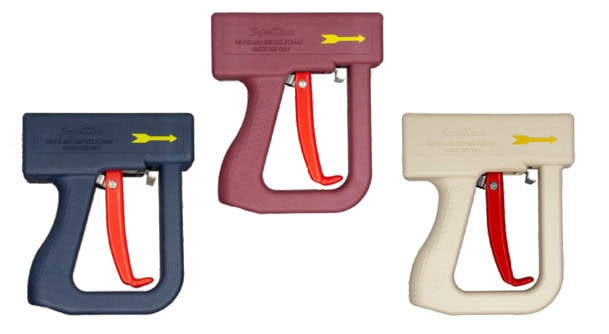
Many manufacturers are now combining the best of both worlds by using hybrid designs. These nozzles typically feature a metal core or internal components for strength and durability, paired with a plastic exterior for comfort and grip. This approach allows for a balance between longevity, ease of use, and cost-effectiveness. The key is to look for nozzles where the critical internal parts are metal, ensuring that the nozzle can withstand the pressures and demands of regular use.
Hybrid designs are becoming increasingly popular because they address the shortcomings of both all-metal and all-plastic nozzles. By strategically using each material where it excels, manufacturers can create a product that offers a compelling combination of durability, comfort, and value.
Key Features for a High-Performance Heavy Duty Hose Nozzle
When you’re looking for a heavy-duty hose nozzle, it’s easy to get lost in the options. But focusing on a few key features can really help you narrow down your choices and find something that will last and perform well. It’s not just about blasting water; it’s about control, comfort, and adaptability.
Versatile Spray Patterns for Every Task
A good heavy-duty nozzle isn’t a one-trick pony. It should offer a range of spray patterns to handle different jobs. Think about what you’ll be using it for. Do you need a gentle mist for delicate plants, a concentrated jet for blasting grime off the driveway, or a shower setting for washing the dog? The more options, the better prepared you’ll be for any task. Here’s a quick rundown of common spray patterns:
- Jet: For powerful, concentrated cleaning.
- Shower: Ideal for watering plants gently.
- Mist: Perfect for seedlings and delicate flowers.
- Flat: Good for general washing and rinsing.
- Cone: Covers a wider area, useful for lawns.
Ergonomics and Comfort in Hand
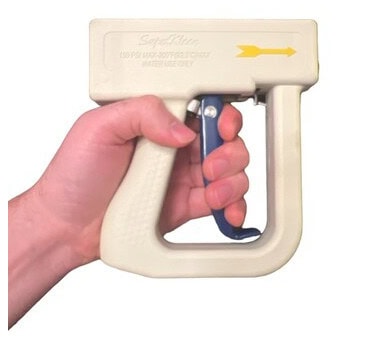
Let’s face it: you might be holding that nozzle for a while. An uncomfortable grip can lead to hand fatigue, making even simple tasks a pain. Look for nozzles with ergonomic designs, comfortable grips (rubberized or padded are great), and easy-to-use controls. Weight also matters; a lighter nozzle will be easier to handle for extended periods. I once used a super heavy nozzle for an hour straight, and my hand was cramping up so bad I couldn’t even hold a glass of water later!
Reliable Trigger Lock Mechanisms
Nobody wants to constantly squeeze a trigger for extended watering sessions. A trigger lock is a must-have feature. It allows you to maintain a continuous water flow without tiring out your hand. Make sure the lock is easy to engage and disengage, even with wet or gloved hands. The last thing you want is a trigger lock that’s more trouble than it’s worth.
A reliable trigger lock is a game-changer. It not only reduces hand fatigue but also allows for more consistent watering, especially when you’re trying to soak a large area or fill a container. It’s a small feature that makes a big difference in overall usability.
Assessing Heavy Duty Hose Nozzle Durability
Withstanding Drops and Impacts
Okay, so you’re looking for a hose nozzle that can take a beating, right? I mean, let’s be real, we’ve all dropped a hose nozzle (or three) on the concrete. The ability to withstand these accidental drops and impacts is a key indicator of overall durability. Look for nozzles made from robust materials like metal (aluminum, brass) or high-impact plastic. Check for reinforced stress points, especially around the nozzle head and handle connection. A nozzle that’s survived a few clumsy moments is a nozzle worth keeping.
Longevity Through Extensive Use
It’s not just about surviving the initial drop; it’s about how the nozzle holds up over time with regular use. Think about it: constant exposure to water, sunlight, and varying temperatures can really take a toll. A durable nozzle should resist corrosion, fading, and cracking. Check the materials and construction. Are the seals tight? Are the moving parts smooth? A nozzle that’s built to last will save you money and frustration in the long run.
Here’s a quick table to think about:
| Feature | Impact on Longevity |
| Material | Metal resists wear better than plastic, usually. |
| Seal Quality | Prevents leaks and internal damage. |
| UV Resistance | Prevents fading and cracking from sun exposure. |
| Moving Parts | Smooth operation indicates quality construction. |
Signs of Wear and Tear Over Time
Even the toughest hose nozzles will eventually show some signs of wear and tear. Knowing what to look for can help you identify potential problems early on and extend the life of your nozzle. Keep an eye out for:
- Leaks: Especially around the connections and nozzle head.
- Cracks: In the body or handle, indicating material fatigue.
- Corrosion: On metal parts, which can weaken the structure.
- Stiff or Jammed Mechanisms: Difficulty adjusting spray patterns or trigger action.
- Reduced Water Pressure: Could indicate internal clogs or damage.
Regular inspection and maintenance can help you spot these issues before they become major problems. A little preventative care can go a long way in keeping your heavy-duty hose nozzle performing at its best for years to come.
Choosing the Right Heavy Duty Hose Nozzle for Your Needs
Matching Nozzle Type to Watering Tasks
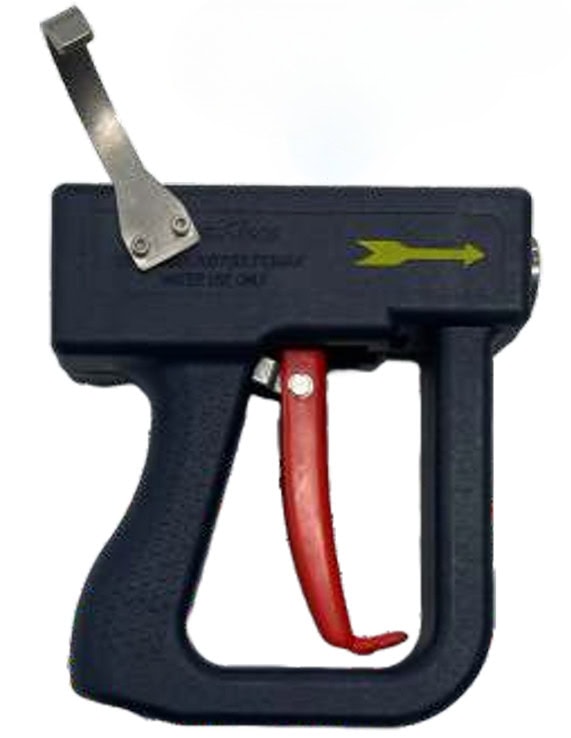
Okay, so you’re ready to buy a heavy-duty hose nozzle, but which one is right for you? It really boils down to what you’ll be using it for. Are you mostly watering delicate flowers, blasting grime off the driveway, or both? Different nozzles excel at different tasks. For example, a pistol-grip nozzle with adjustable spray patterns is great for general use, offering everything from a gentle shower to a powerful stream. On the other hand, if you’re frequently switching between tasks, a dial nozzle might be more convenient. Think about your typical watering and cleaning routine to narrow down your choices.
Considering Budget and Value
Let’s be real, price matters. You can find hose nozzles ranging from super cheap to surprisingly expensive. But don’t just grab the cheapest one you see. Consider the value you’re getting for your money. A cheap nozzle might break after a few uses, costing you more in the long run. A more expensive, heavy-duty nozzle, while initially pricier, could last for years and provide better performance. Look for nozzles with solid construction, durable materials, and good warranties. Read reviews to see what other users say about their longevity. Sometimes, spending a little more upfront saves you headaches (and money) later.
Prioritizing Specific Features
Beyond the basics, think about any specific features that are important to you. Do you need a nozzle with a particularly long reach? Do you have arthritis and need an easy-to-squeeze trigger? Are you concerned about water conservation and want a nozzle with a shut-off valve? Make a list of your must-have features and use that to guide your search. Here are some features to consider:
- Spray Patterns: The more, the merrier, right? Not always. Think about which patterns you’ll actually use.
- Grip Comfort: If you’ll be using the nozzle for extended periods, a comfortable grip is essential.
- Durability: Look for nozzles made from metal or high-quality plastic that can withstand drops and impacts.
It’s easy to get caught up in all the bells and whistles, but focus on the features that will actually make a difference in your day-to-day use. A simple, well-built nozzle with the right features for your needs is often better than a fancy one with a bunch of unnecessary extras.
Maintenance Tips for Your Heavy Duty Hose Nozzle
Preventing Clogs and Buildup
Okay, so you’ve got a fancy heavy-duty hose nozzle. You want it to last, right? First things first: clogs. They’re the enemy. Mineral buildup from hard water is a common culprit, and bits of dirt and debris can also jam things up. The best way to prevent this is to flush your nozzle regularly.
- After each use, give the nozzle a good rinse. This gets rid of any loose dirt before it has a chance to harden.
- If you notice reduced water pressure or an uneven spray pattern, it’s probably time for a deeper clean.
- Soak the nozzle in a solution of equal parts white vinegar and water for a few hours. This helps dissolve mineral deposits. Use an old toothbrush to scrub away any stubborn residue, paying close attention to the nozzle openings.
I’ve found that a small needle or pin can be useful for clearing out individual spray holes. Just be gentle so you don’t damage them. Also, make sure your hose has a filter screen where it connects to the spigot. This will catch a lot of debris before it even reaches the nozzle.
Proper Storage for Extended Life
How you store your hose nozzle can seriously impact its lifespan. Leaving it out in the sun and weather is a recipe for disaster. UV rays can degrade plastic components, and freezing temperatures can cause cracks.
- Always disconnect the nozzle from the hose when you’re done using it. This prevents pressure buildup that can damage the internal mechanisms.
- Store the nozzle in a cool, dry place, away from direct sunlight. A garage, shed, or even a covered porch works well.
- Consider hanging the nozzle up to prevent it from sitting in water or dirt. This also helps keep it clean and ready for the next use.
Troubleshooting Common Issues
Even with the best care, problems can still pop up. Here are a few common issues and how to tackle them:
- Leaking: Check the connection points for worn-out rubber washers. Replacing these is usually a quick and easy fix. If the leak is coming from the nozzle body itself, there may be internal damage, and it might be time for a replacement.
- Reduced Pressure: As mentioned earlier, clogs are often the cause. Try cleaning the nozzle thoroughly. Also, check your water pressure at the source to make sure it’s not a problem with your plumbing.
- Stiff or Stuck Trigger: Lubricate the moving parts with a silicone-based lubricant. Avoid using oil-based lubricants, as they can attract dirt and grime. Work the trigger back and forth to distribute the lubricant evenly.
So, picking the right heavy-duty hose nozzle can feel like a big deal, right? There are so many out there, and they all promise different things. But really, it just comes down to what you need it for and how much you want to spend. Think about what jobs you’ll be doing most often. Will you be washing the car, watering delicate plants, or blasting away dirt? Once you know that, it’s easier to figure out what kind of spray patterns and features are important. And don’t forget about how it feels in your hand – comfort matters, especially if you’re using it a lot. We’ve done a bunch of testing to help you sort through all the choices. Hopefully, our findings make it simpler for you to pick a nozzle that works great and lasts a long time for your home and garden.
Frequently Asked Questions
What makes a hose nozzle ‘heavy duty’?
A heavy-duty hose nozzle is built tough, usually from metal or strong plastic, to last a long time and handle tough jobs like cleaning cars or watering big gardens. It’s different from regular nozzles because it’s made to be more durable and work better under pressure.
Which materials are best for a long-lasting hose nozzle?
Nozzles made mostly of metal, like brass or zinc, tend to be the strongest and last the longest. They can take a lot of bumps and drops without breaking. Plastic nozzles are lighter and sometimes cheaper, but they might not hold up as well over time.
What features should I look for in a good heavy-duty nozzle?
Look for nozzles with different spray patterns, so you can switch from a gentle mist for plants to a strong jet for cleaning. A comfortable grip is also key, especially if you’ll be using it for a while. And a good trigger lock lets you keep the water flowing without constantly squeezing the handle.
How can I make my hose nozzle last longer?
To keep your nozzle working well, try to clean out any dirt or mineral buildup regularly. Store it in a place where it won’t get too hot or too cold, and avoid leaving it out in the sun for long periods. If it starts to leak, check the rubber washers inside – sometimes they just need to be replaced.
How do you test hose nozzles to find the best ones?
We test nozzles by using them for everyday tasks like watering plants, washing cars, and cleaning patios. We check how well they control water pressure, how easy they are to hold, and if they can handle being dropped or used roughly. We also compare different models side-by-side to see which ones perform best.
How do I pick the right hose nozzle for my specific needs?
It depends on what you need it for! If you’re mostly watering delicate flowers, a nozzle with a gentle mist setting is good. For heavy-duty cleaning, you’ll want one with a strong jet spray. Think about how often you’ll use it and what kinds of jobs you’ll do to pick the best one for you.