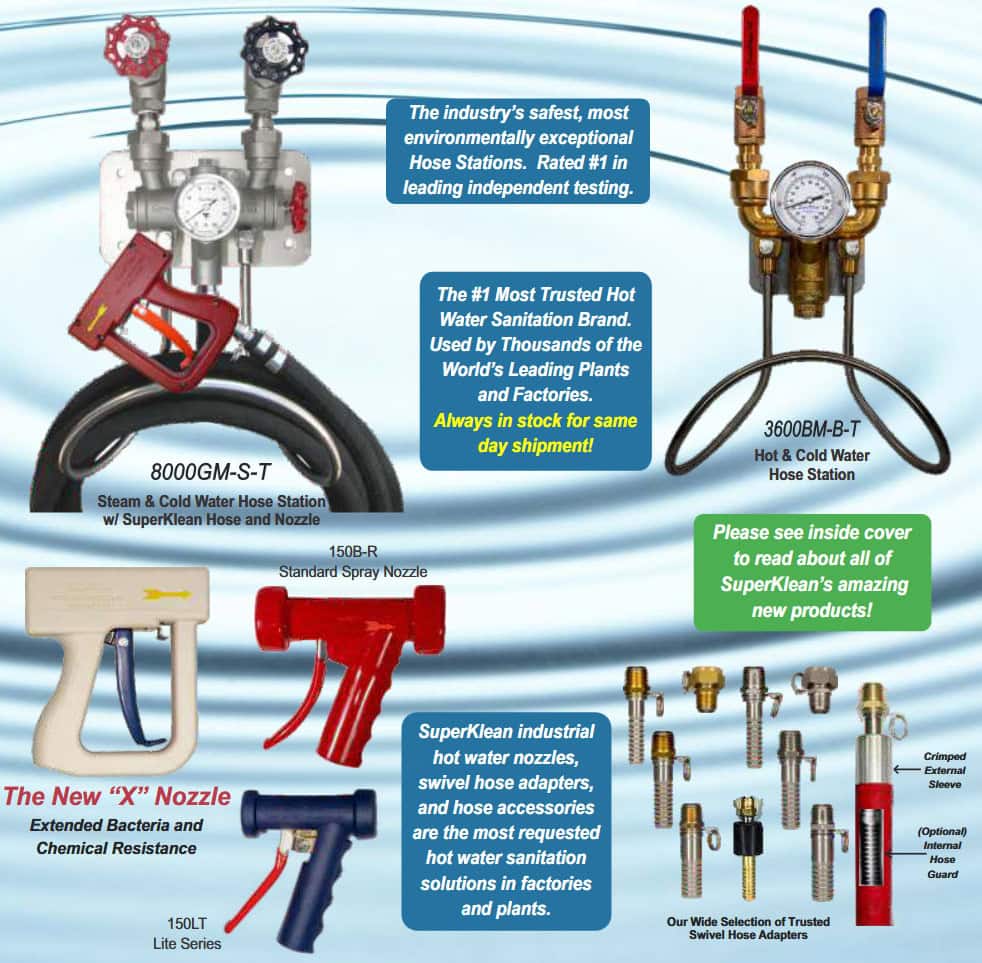
When it comes to industrial washdown applications, the quality of hose connections directly impacts safety, reliability, and equipment longevity. In facilities where washdown systems are in constant use, such as food and beverage plants, dairies, breweries, and pharmaceutical facilities, durable hose connection components are essential. SuperKlean’s Ball Swivel Adapters and Lite Ball Swivel Adapters are engineered solutions designed to deliver smooth motion, reduced hose stress, and long-lasting performance in demanding washdown environments.
Why Swivel Adapters Matter in Industrial Washdown Systems
Traditional rigid hose connections can place unnecessary tension on hoses and fittings during cleaning operations. This tension often leads to hose kinking, accelerated wear, and increased operator fatigue. Swivel adapters solve this problem by allowing the hose to rotate freely at the connection point, minimizing twisting and stress. The result is smoother hose movement, improved ergonomics, and extended service life for both hoses and fittings.
Full-Featured Ball Swivel Adapters for Maximum Durability
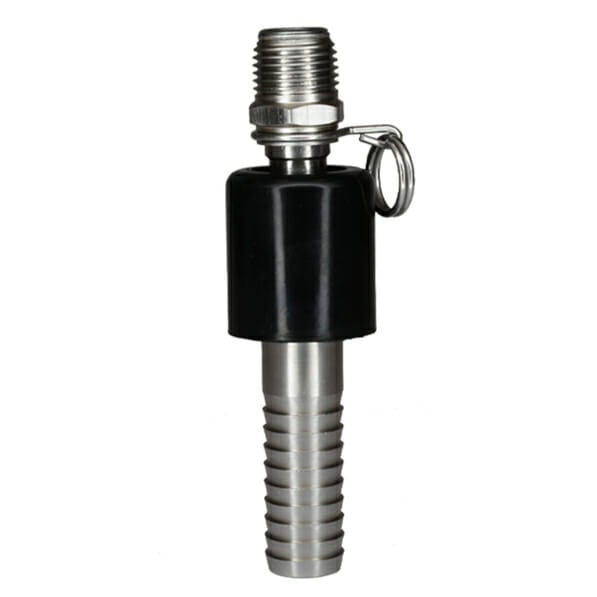
SuperKlean’s premium Ball Swivel Adapters are designed for heavy-duty industrial use and engineered to handle high temperatures, pressures, and frequent motion. These adapters provide full 360-degree rotational freedom, allowing hoses and nozzles to move effortlessly in any direction during washdown. Learn more about SuperKlean’s Ball Swivel Adapters at https://www.superklean.com/our-products/swivel-adapters/. Key benefits of SuperKlean Ball Swivel Adapters include:
Continuous 360-degree rotation that reduces hose torque and twisting
Heavy-duty construction designed for harsh washdown environments
Extra-long hose barb adapters that provide a stronger, more secure hose connection
SuperKlean’s Lock O-Ring sealing design, which delivers longer life and improved leak prevention compared to traditional C-ring seals
Ergonomic design features that reduce strain on operators’ hands and wrists These features make SuperKlean Ball Swivel Adapters ideal for food processing, beverage production, dairy operations, pharmaceutical manufacturing, and other industrial sanitation environments where reliability is critical.
Lite Ball Swivel Adapters: A Lightweight Alternative Without Compromise
For applications where reduced weight is important, SuperKlean offers Lite Ball Swivel Adapters that deliver the same smooth rotational performance as standard ball swivels while improving handling and operator comfort. Additional details on Lite Ball Swivel Adapters can be found at https://www.superklean.com/our-products/lite-ball-type-swivel-adapters/. Key advantages of Lite Ball Swivel Adapters include:
Reduced overall weight for easier hose maneuverability
Full 360-degree rotational movement under load
Reliable sealing performance for hot water washdown applications
Corrosion-resistant materials suited for wet and chemically exposed environments Lite Ball Swivel Adapters are an excellent choice for mobile wash stations, overhead hose reels, and applications where hoses are frequently repositioned throughout the day.
Applications Across Industrial Environments
SuperKlean Ball Swivel Adapters and Lite Ball Swivel Adapters are widely used across multiple industries, including:
Food and beverage processing facilities
Dairy operations and milking parlors
Pharmaceutical manufacturing plants
Breweries and wineries
General industrial and chemical processing environments In each application, these swivel adapters help reduce hose damage, improve operator efficiency, and minimize maintenance-related downtime by allowing hoses to move freely without binding or twisting.
Engineered to Integrate with SuperKlean Washdown Systems
Both swivel adapter product lines are designed to integrate seamlessly with SuperKlean’s complete washdown ecosystem, including industrial spray nozzles, hot water hoses, hose reels, and steam or hot and cold water mixing stations. SuperKlean’s manufacturing standards ensure that each swivel adapter delivers consistent performance and long-term durability under real-world operating conditions.
Conclusion
In high-demand sanitation environments, selecting the right hose connection components is essential for safety, efficiency, and system longevity. SuperKlean’s Ball Swivel Adapters and Lite Ball Swivel Adapters provide proven solutions that reduce hose strain, improve ergonomics, and deliver dependable performance day after day. Whether your application requires maximum durability or reduced weight for improved maneuverability, SuperKlean offers a swivel adapter solution engineered to meet the needs of modern industrial washdown systems.
Industrial washdown systems are foundational to maintaining hygiene, safety, and operational efficiency in demanding environments such as food processing plants, dairies, breweries, and pharmaceutical facilities. Two critical components that significantly impact cleaning efficiency and equipment longevity are hose organization and hose durability. SuperKlean designs and manufactures both high-performance hose reels and abrasion resistant EPDM hot water hoses to meet the rigorous standards of industrial sanitation.
SuperKlean’s Durareel hose reels and abrasion-resistant hoses are engineered with decades of real-world experience in heavy-duty applications, delivering performance, safety, and reliability where it matters most.
Keeping Washdown Areas Safe and Organized: Durareel Hose Reels
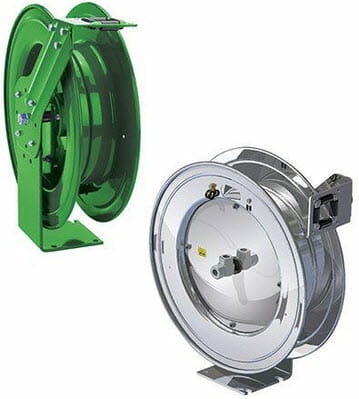
Proper hose management is about more than tidiness — it’s a matter of workplace safety, equipment longevity, and operational efficiency. SuperKlean’s Durareel hose reels provide a robust solution for controlling and storing washdown hoses efficiently.
Why Hose Reels Matter in Industrial Settings
Industrial hoses are prone to wear and damage when left deployed on wet, chemical-exposed floors. Loose hoses contribute to:
Trip hazards for workers.
Premature hose wear due to abrasion or kinks.
Reduced flow efficiency and inconsistent cleaning results.
SuperKlean’s hose reels help mitigate these concerns by providing controlled storage and deployment of hoses after every washdown cycle.
Key Features of Durareel Hose Reels
SuperKlean designs its hose reels for the heavy demands typical of industrial settings:
Heavy-Duty Construction: Built to withstand wet, high-pressure washdown environments without corrosion or premature failure.
Smooth Retractable Mechanism: Ensures easy, controlled retraction and extension of the hose, reducing stress on operators and connections.
Space-Saving Organization: Mounted near washdown stations to keep floors clear and accessible.
Reliable Tension Control: Allows the hose to retract smoothly without whipping or damaging adjacent equipment.
Professionals across food processing, beverage production, dairy facilities, and pharmaceutical plants rely on Durareel reels to enhance workflow, reduce downtime, and extend hose life.
Built for Durability: SuperKlean Abrasion-Resistant EPDM Hot Water Hoses
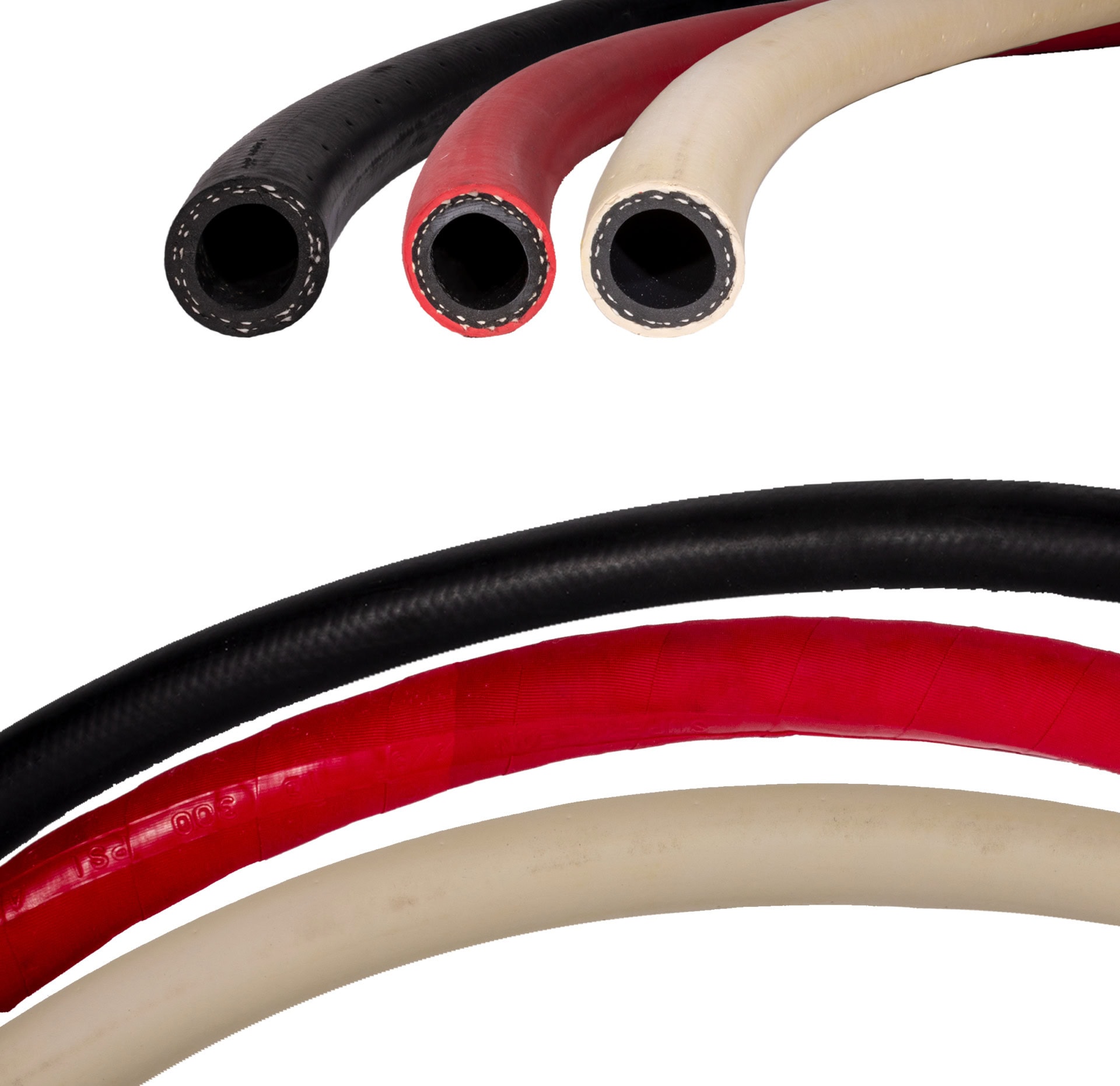
While hose reels protect and organize your hose, the hose itself must withstand demanding conditions. SuperKlean’s abrasion resistant EPDM hot water hoses are engineered to endure the toughest industrial washdown environments.
EPDM (ethylene propylene diene monomer) is a synthetic rubber known for superior resistance to heat, weathering, and chemical exposure — making it ideal for heavy-duty washdown applications.
Performance That Matters
SuperKlean’s abrasion-resistant EPDM hoses deliver a range of features critical to industrial performance:
Heat-Resistant Construction: Rated for continuous use with hot water up to industry standards, making them ideal for facilities requiring sanitized washdowns with heated water.
Abrasion Resistance: Reinforced covers and premium elastomers resist wear from repeated dragging, high-pressure contact, and rough surfaces.
Chemical Resistance: Withstands exposure to detergents and sanitizing agents commonly used in food, dairy, and pharmaceutical washdowns.
Flexibility Under Load: Remains supple and manageable in low temperature and high pressure conditions, reducing operator fatigue.
Whether deployed on its own or paired with a Durareel hose reel, SuperKlean’s EPDM hot water hose will deliver consistent, reliable performance over extended service life.
The Power of Integration: Hose Reels Paired with Abrasion-Resistant Hoses
The true strength of a washdown system lies in the synergy between components. SuperKlean’s hose reels and abrasion-resistant hoses work seamlessly together to deliver a complete solution that enhances sanitation operations.
Benefits of a Complete System
Reduced Downtime: Fast roll-up and deployment of hoses minimizes delays between washdown cycles.
Lower Replacement Costs: Protecting hoses with abrasion resistance and organized storage can reduce premature failures and replacements.
Improved Safety: Minimizing hose tangles and trip hazards keeps walkways clear and workers safer.
Consistent Cleaning Results: Materials engineered for performance ensure that pressure and flow remain effective throughout every washdown.
For facilities where sanitation is mission-critical, the right combination of hose reel and hose material directly influences operational reliability.
Applications Across Industries
SuperKlean’s hose reels and abrasion-resistant hoses are trusted in a wide range of industrial environments:
Food and Beverage Processing: Sanitation of lines, conveyors, vats, and floors with hot water and chemical solutions.
Dairy Operations: Regular cleaning of milking parlors, processing equipment, and drains.
Pharmaceutical Facilities: Precise, hygienic cleaning with stringent regulatory compliance.
Breweries & Wineries: Frequent washdown of tanks, floors, and bottling equipment.
Chemical Plants & Manufacturing: Heavy-duty washdowns where abrasion resistance and heat tolerance are essential.
Across all these sectors, SuperKlean’s engineering ensures durability and performance that outlast alternatives — even in 24/7 washdown environments.
Built to Last, Designed for Safety
SuperKlean’s Durareel hose reels and abrasion-resistant EPDM hot water hoses are not afterthoughts — they are engineered solutions shaped by decades of working with the toughest industrial requirements. From design and material selection to manufacturing and testing, every product is created to offer:
Long-term durability under daily use.
User-centric operation for safety and comfort.
Consistent performance across varied washdown conditions.
Low maintenance demands, saving time and budget.
Whether you’re upgrading existing washdown stations or designing new sanitation workflows, integrating quality hose reels and hoses from SuperKlean is a strategic choice for your facility’s efficiency and safety.
Conclusion
Cleanliness, efficiency, and safety are core to any industrial washdown program. SuperKlean’s Durareel hose reels and abrasion resistant EPDM hot water hoses deliver industrial-grade solutions that excel in rugged environments while providing long service life and dependable performance. By combining ergonomic design with premium materials and manufacturing expertise, SuperKlean helps facilities optimize their washdown systems for today’s most demanding sanitation requirements.
To explore SuperKlean’s complete hose reel offerings, visit the Durareel product page. For abrasion-resistant hose solutions built for hot water and heavy use, explore the abrasion resistant hoses page.
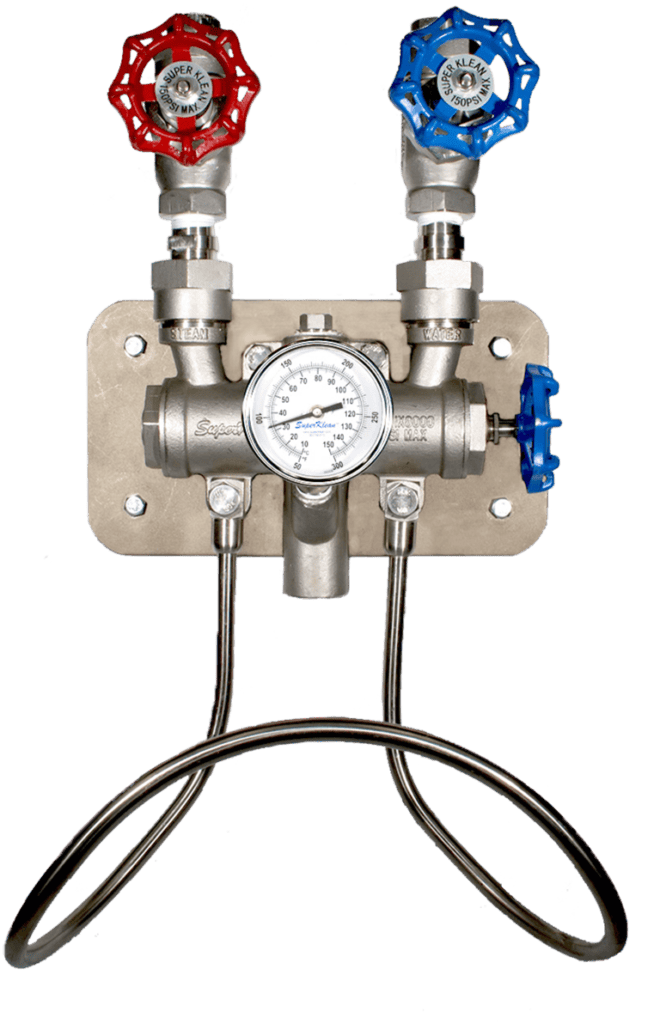
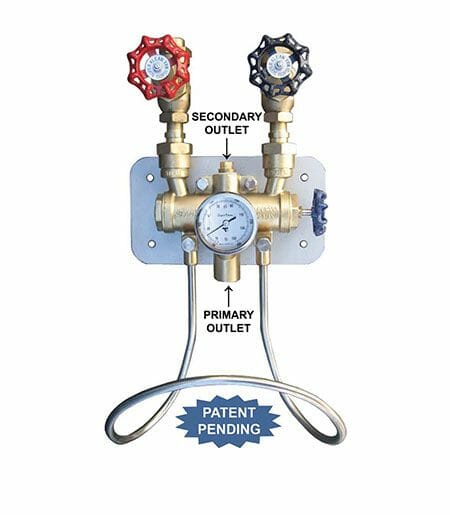
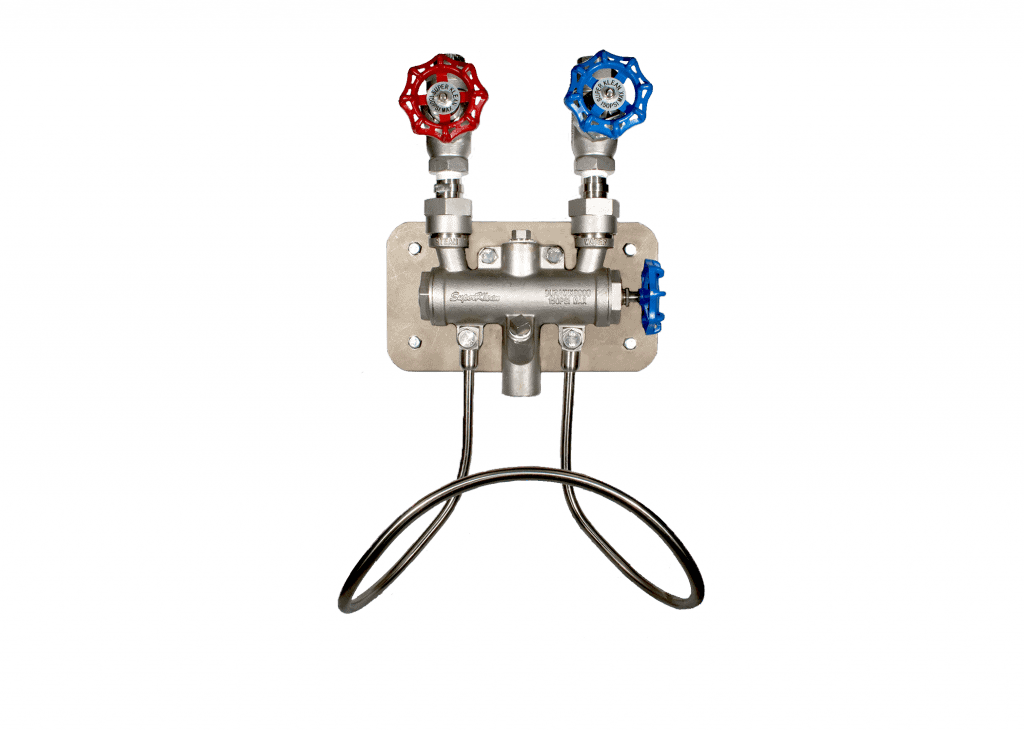
Steam is the gold standard for fast, thorough sanitation—if it’s controlled correctly. SuperKlean’s industrial steam water mixing stations are engineered to convert plant steam and cold water into a safe, consistent hot-water supply for high-demand cleaning. Behind that simple outcome is a manufacturing process focused on durability, temperature stability, operator safety, and easy maintenance. Here’s an inside look at how SuperKlean designs and builds stations that stand up to the toughest washdown environments.
Built for harsh, hygienic environments
Washdown stations live in wet, hot, and often corrosive settings. SuperKlean specifies industrial-grade metals (including stainless steel on key wetted components) and robust elastomers for seals and gaskets. Housings are machined for tight tolerances to minimize leak paths, while internal flow passages are designed to reduce turbulence and pressure drop. Exterior surfaces are smooth and easy to wipe down, supporting facility hygiene and quick visual inspection.
Precision mixing for stable outlet temperatures
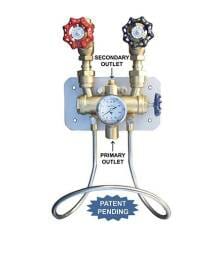
Consistent outlet temperature is essential for sanitation efficacy and worker protection. SuperKlean’s steam-and-cold-water mixing stations are engineered so steam is fully condensed and blended inside dedicated mixing chambers before reaching the outlet. Balanced valve geometry, optimized orifices, and guided actuation help maintain target temperatures even as upstream pressures fluctuate. This stability reduces the need for constant operator adjustment and helps standardize cleaning results shift after shift.
Safety engineered into the core
Steam is unforgiving. SuperKlean builds multiple protective layers into each station:
Fail-safe shutoff logic: If cold water supply pressure drops, the station is designed to shut off steam flow to prevent live steam from reaching the hose.
Thermal protection: Internal components manage heat transfer and condensation to avoid “steam hammer” effects and thermal shock.
Backflow and check-valve considerations: Proper check-valve integration helps protect plant utilities and maintain one-direction flow through the system.
Operator-friendly controls: Large, glove-friendly handles and clear temperature indication promote safe, repeatable operation on busy floors.
Manufacturing that prioritizes reliability
Every station is the product of controlled processes:
CNC machining & forming: Critical parts are machined to tight tolerances for reliable sealing and repeatable valve motion.
Brazing & assembly: High-temperature joints are brazed or mechanically fastened to endure thermal cycling. O-rings are seated in precision grooves to prevent extrusion under pressure.
Pressure & leak testing: Assembled units are hydrostatically and functionally tested to confirm sealing integrity and mixing performance.
Final QA: Stations undergo a checklist inspection for smooth controls, accurate metering, finish quality, and labeling so maintenance teams can quickly identify parts and settings.
Designed for fast maintenance
Downtime is expensive. SuperKlean steam washdown stations are laid out so common service tasks—like replacing seats, O-rings, or strainers—can be performed quickly with standard tools. Cartridge-style internals and accessible screens shorten preventive maintenance to minutes, not hours, helping teams keep sanitation on schedule.
Where steam washdown shines
Industrial steam washdown stations are the backbone of sanitation programs across:
Food processing: Rapid cleanup of conveyors, fillers, slicers, and packaging areas; helping remove fats and proteins that require higher temperatures.
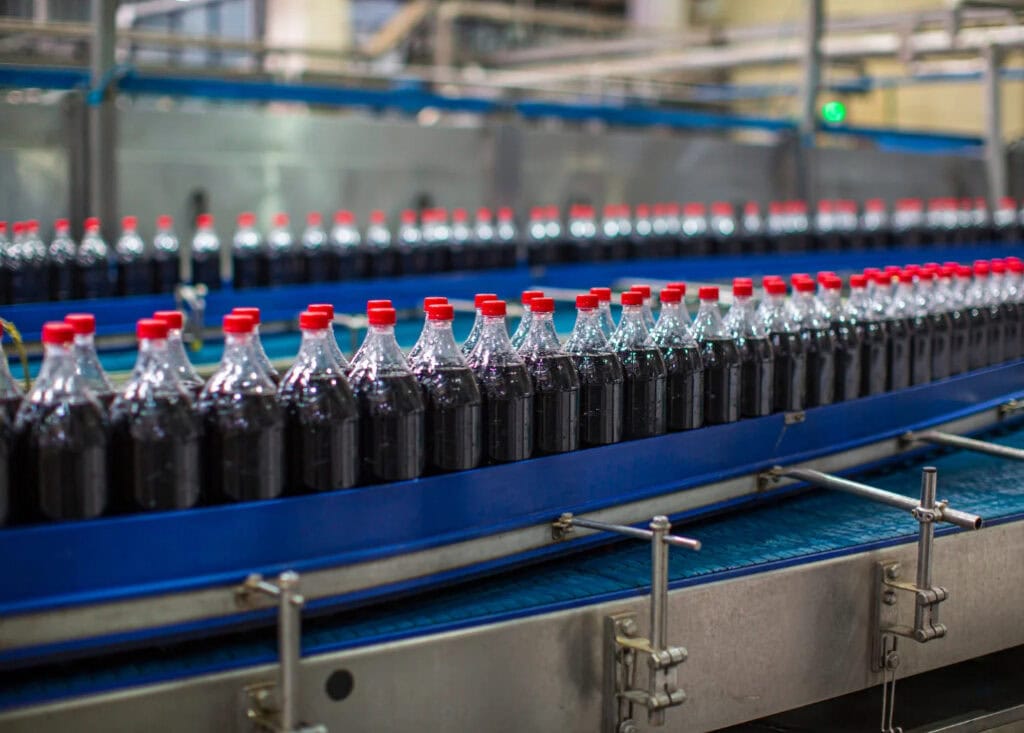
Beverage & bottling: Tank exteriors, floors, filler rooms, and sticky syrup areas where hotter water accelerates breakup and rinse.
Dairy: Parlor floors, processing equipment, and pipelines where consistent hot water supports hygiene and helps reduce bacterial load.
Breweries & wineries: Fermenters, brewhouses, transfer lines, and cellar floors—steam-derived hot water cuts residues without lingering contaminants.
Pharmaceutical & nutraceutical: Controlled cleaning of stainless utilities, blending rooms, and non-product contact areas to support facility hygiene.
General manufacturing: Grease and coolant cleanup in automotive, metalworking, and chemical plants where temperature aids removal.
Best-practice installation tips
A well-made station performs best with proper installation:
Verify utilities: Typical operation requires plant steam within specified pressure ranges and a reliable cold-water supply. Size upstream piping to minimize pressure drop.
Strainers & traps: Install strainers on water and steam lines and ensure proper condensate management with steam traps to protect internal components.
Check valves & shutoffs: Provide isolation valves for safe servicing and check valves to protect utilities and prevent backflow.
Mounting height & access: Install stations at an ergonomic height with clear access to gauges, handles, and strainers. Keep hose runs as short as practical.
Hose selection: Pair the station with high-temperature, food/industrial-grade washdown hoses and appropriate swivel fittings to prevent kinks and reduce fatigue.
Operating and maintenance guidance
Start-up sequence: Open cold water first, then introduce steam gradually to reach the target temperature. Reverse the sequence at shutdown.
Temperature checks: Use built-in indication and plant thermometers to confirm stable outlet temperatures for the application.
Preventive maintenance: Clean strainers, inspect seals, verify shutoff function, and check for drips at connections on a set schedule. Replace wear parts before they fail.
Hose & nozzle care: Inspect hose covers for cuts or blisters and confirm nozzle function and spray patterns to keep the whole system performing as designed.
Why SuperKlean
SuperKlean focuses on the details that matter in the field: durable metals, engineered mixing chambers, fail-safe logic, and an assembly process proven over decades of washdown experience. The result is a station that helps teams sanitize faster, maintain temperature consistency, and protect operators—while keeping maintenance simple and downtime low.
The bottom line
Manufacturing a dependable steam washdown station isn’t just about combining steam and cold water; it’s about controlling energy, pressure, and temperature safely in real-world conditions. SuperKlean’s design and build process delivers consistent hot water on demand, ergonomic operation, and serviceability your team will appreciate. Pair a SuperKlean station with the right hose, fittings, and nozzle, and you’ll have a washdown system that improves cleanliness, uptime, and worker confidence across your facility.
So, you’re dealing with industrial spray nozzles and wondering how to get them working their best? It’s not as simple as just screwing them in and forgetting about them. These little parts do a lot, and when they’re not right, it can mess up your whole operation. We’re going to look at how to pick the right ones, keep them in shape, and make sure they’re doing their job properly. It’s all about making things run smoother and saving some money in the process.
Key Takeaways
Picking the right industrial spray nozzles means matching their specs to what your system needs, like spray pattern and droplet size.
Nozzle wear is a real problem that changes spray patterns, lowers pressure, and increases flow, costing you more.
A regular check-up and cleaning schedule for your nozzles is a good idea to keep them working right.
Using newer nozzle designs or automated spray controls can really boost how well your system performs.
Making sure your industrial spray nozzles are installed straight and without leaks prevents waste and ensures even coverage.
Understanding the Critical Role of Industrial Spray Nozzles
You know, spray nozzles might seem like small parts in the grand scheme of an industrial operation, but they really do a lot. If they aren’t working right, things can get messy, fast. Think about it: if your spray pattern is all over the place, or the droplets are too big, you’re not cleaning effectively, or maybe you’re not coating a surface evenly. That can lead to products that don’t meet standards, which means more waste and more money down the drain. It’s not just about the product quality, either. Bad spray performance can also mean using way more water, chemicals, or energy than you need to. That adds up quickly on the bills.
The Impact of Poor Spray Performance on Operations
When spray nozzles aren’t doing their job properly, it’s not just a minor inconvenience. It can actually mess with your whole production line. For instance, if you’re using nozzles for cooling, an uneven spray pattern means some parts of your product might get too hot while others get too cold. That’s a recipe for defects. Or, if you’re applying a coating, inconsistent droplet size can result in a finish that’s blotchy or thin in some areas. This often means you have to re-do the process, which costs time and resources. Plus, dealing with the fallout from poor spray performance, like extra cleaning or dealing with rejected products, takes your team away from other important tasks. It can even create safety hazards, like slippery floors from overspray or issues with airborne chemicals if the spray isn’t contained properly.
Evaluating Your Current Spray System Performance
So, how do you figure out if your current spray system is up to snuff? It’s not rocket science, but it does take a bit of looking. First off, you need to know what your nozzles are actually doing. Are they producing the spray pattern you expect? Is the droplet size consistent? You can often tell just by looking at the results on the surface you’re spraying. Are there streaks? Is the coverage even? You might also want to check the pressure gauges. If the pressure is lower than it should be, that’s a sign something’s up, possibly with the nozzle itself or the system feeding it. It’s also a good idea to keep records. Track how long nozzles have been in use, any issues you’ve noticed, and the results you’re getting. This data can help you spot trends and identify when a nozzle might be starting to wear out. NozzlePro, a division of SuperKlean Washdown Products, offers solutions and expertise to help you assess your current setup.
Setting Goals for Spray System Optimization
Once you’ve got a handle on how your current system is performing, it’s time to think about where you want to be. What are you trying to achieve by optimizing your spray nozzles? Maybe you want to cut down on water usage by 10%, or reduce chemical consumption by 5%. Perhaps the goal is to speed up a particular process, like cleaning or coating, by 15% to increase throughput. Reducing product defects related to spraying is another common goal. You might also want to cut down on maintenance time or even automate certain spraying tasks so your staff can focus on more complex jobs. Whatever your goals are, make them specific and measurable. This way, you’ll know if your efforts are actually paying off. Having clear targets helps guide your decisions about nozzle selection, maintenance, and system adjustments. It’s all about making your operation more efficient and cost-effective.
Selecting the Optimal Industrial Spray Nozzles
Picking the right industrial spray nozzles is a big deal for how well your whole operation runs. It’s not just about spraying; it’s about doing it right, every time. Think about it – a bad nozzle can mess up product quality, waste materials, and even cause safety issues. That’s why we, at NozzlePro, put so much effort into helping you find exactly what you need.
Matching Nozzle Specifications to System Requirements
When you’re looking for new nozzles, the first thing to figure out is what your system actually needs. This means looking at things like the pressure your system runs at and how much liquid you need to move. You don’t want a nozzle that’s too restrictive, or your pump might struggle. On the flip side, a nozzle that’s too open can waste liquid and not give you the spray you’re after. It’s a balancing act. For example, if you’re using an air atomizing spray nozzle, the air and liquid pressures are both super important for getting the right droplet size and spray pattern. We have a wide range of options, from simple air nozzles to complex pressure wash nozzle setups, all designed to fit different industrial needs. Getting this match right is the first step to better performance. You can find a lot of great information on selecting the right nozzle for your specific needs on NozzlePro’s website.
Considering Spray Pattern and Droplet Size
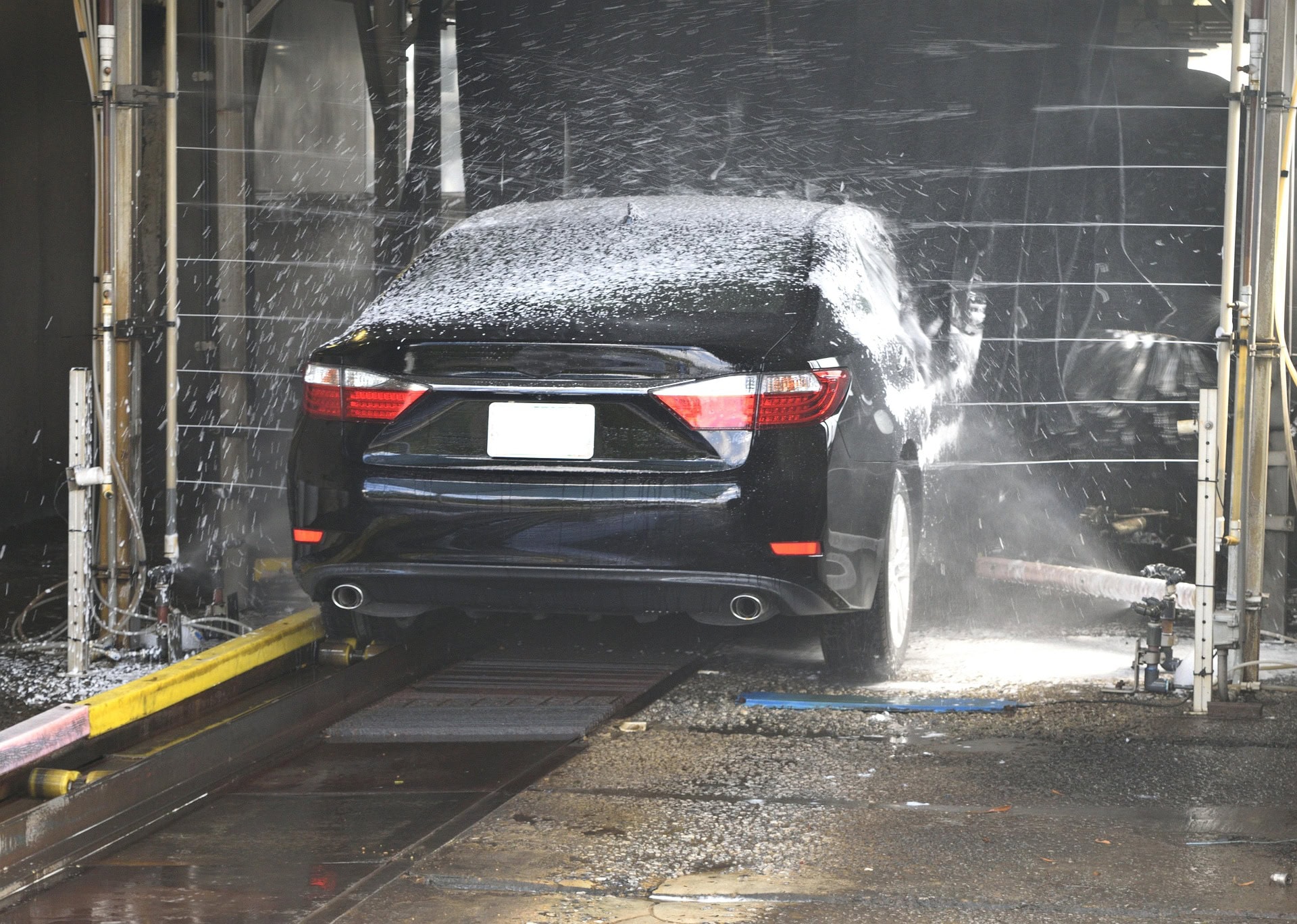
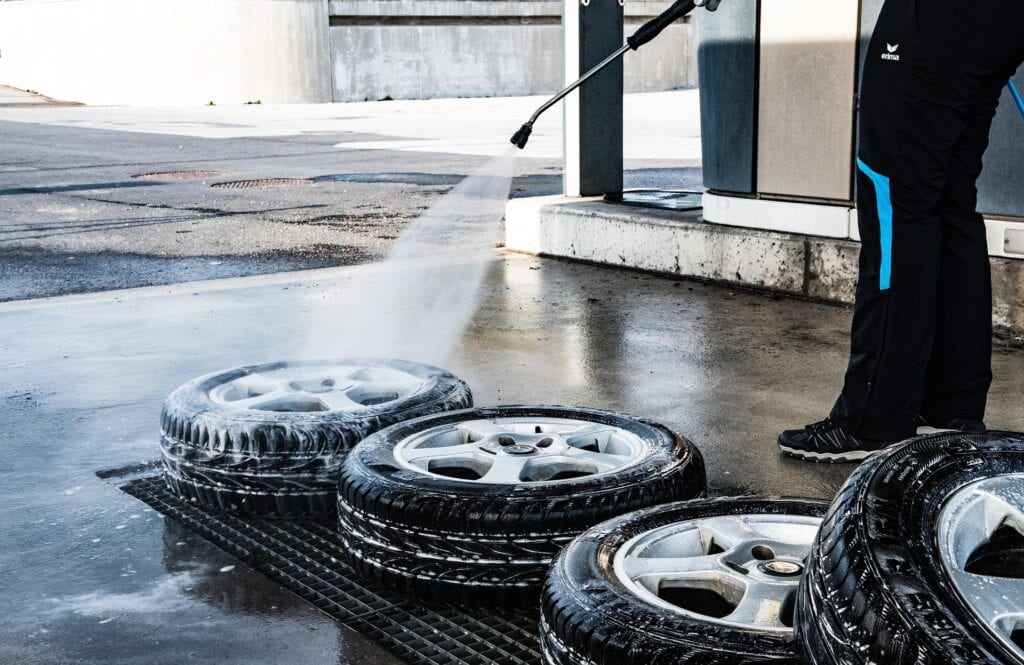
Okay, so you’ve got the pressure and flow sorted. Now, what kind of spray do you actually want? This is where spray patterns and droplet sizes come in. Do you need a wide, even coverage like a flat fan nozzle or flat spray nozzle provides? Or maybe you need a full circle of spray from a full cone nozzles? Sometimes, a hollow cone nozzle is better for certain cooling or coating jobs. Then there’s droplet size. For things like cooling or dust suppression, you might want a fine mist from a misting nozzle or fog nozzle, sometimes called a fogger nozzle. Smaller droplets evaporate faster, but they can also drift more. If you’re cleaning, a high pressure nozzle with a more focused spray might be what you need, like those used in car wash spray nozzles or general pressure cleaning nozzle applications. Getting the droplet size and pattern right means your spray does its job effectively without wasting resources.
Choosing Appropriate Nozzle Materials for Durability
Finally, what the nozzle is made of matters a lot, especially in tough industrial settings. If you’re spraying chemicals, you need a material that won’t react with them or break down. Stainless steel is a common choice for its strength and resistance to corrosion, but sometimes other materials like specific plastics or ceramics are better depending on the application. We’ve seen customers have issues when they don’t consider the material compatibility, leading to premature wear or even leaks. It’s not just about the spray pattern; it’s about how long the nozzle will last and how reliably it will perform. Choosing the right material is key to avoiding costly replacements and downtime. NozzlePro offers a variety of materials to suit even the most demanding environments.
Detecting and Managing Industrial Spray Nozzle Wear
When your industrial spray nozzles start to wear out, it’s not just a minor inconvenience; it can really mess with your whole operation. Think about it: a worn nozzle might not spray like it used to. The pattern could get all wonky, or the pressure might drop. This isn’t good, especially if you’re using something like an automated car wash nozzle where consistent coverage is key, or a tank washer nozzle that needs a specific impact force.
How Nozzle Wear Affects Spray Consistency and Pressure
So, what exactly happens when a nozzle wears down? The opening, or orifice, gets bigger. This means more liquid can pass through, usually at a faster rate than intended. This change directly impacts the spray. Instead of a nice, even fan or a tight cone, you might get a pattern that’s heavy in the middle or has uneven edges. For pressure, a worn nozzle often can’t maintain the same pressure as a new one. This reduction in pressure can mean less effective cleaning, coating, or cooling, depending on what you’re using the nozzle for. It’s like trying to wash a car with a dribbling hose – just not the same effect.
Methods for Accurately Identifying Nozzle Wear
Just looking at a nozzle might not tell you much. You can’t always see the wear with the naked eye. A better way to check is to compare the flow rate of your current nozzle with a brand-new one. Here’s a simple way to do it:
Get a new nozzle of the same type.
Measure the flow rate of the new nozzle. Spray it into a container for a set amount of time (say, 30 seconds) and then measure the volume of liquid collected. Calculate the flow rate (e.g., liters per minute).
Measure the flow rate of your existing nozzle using the same method.
Compare the results. If your existing nozzle is putting out significantly more liquid than the new one, it’s likely worn out.
Keeping track of these flow rates over time can give you a good idea of when a nozzle is nearing the end of its useful life. It’s a practical way to catch problems before they cause bigger issues.
The Cost Implications of Neglecting Nozzle Wear
Ignoring worn nozzles can get expensive. You might be using more water, chemicals, or energy than you need to because the nozzle isn’t performing efficiently. This over-consumption adds up quickly. Plus, if the spray pattern is off, you might get poor product quality, leading to rejected batches or rework. For businesses like those using automated car wash nozzles, inconsistent spray means cars might not get properly cleaned, leading to customer complaints. For a tank washer nozzle, reduced impact force could mean longer cleaning cycles or incomplete cleaning, which is a big problem in many industries. It’s often cheaper to replace a worn nozzle than to pay for the wasted resources and potential quality issues it causes. NozzlePro offers solutions designed for durability and consistent performance, helping you avoid these costly problems.
Implementing a Proactive Maintenance Program for Nozzles
Think of your spray nozzles like the tires on your car. If you don’t rotate them or check the pressure, they wear out faster and don’t perform as well. The same goes for industrial spray nozzles, especially those used in demanding jobs like tank cleaning nozzles. Setting up a regular maintenance schedule is a smart move that can save you a lot of headaches and money down the line. It’s not just about keeping things running; it’s about keeping them running right.
Establishing Routine Inspections and Cleaning Schedules
So, what does a good maintenance program look like? It starts with looking at your nozzles regularly. You don’t need to be a rocket scientist to spot obvious problems.
Visual Checks: Just give them a quick look. Are there any obvious cracks, dents, or blockages? Is the spray pattern looking a bit off?
Performance Monitoring: Keep an eye on how they’re actually spraying. Is the flow rate what it should be? Is the pressure consistent? If you notice changes, it’s time to investigate.
Cleaning: Depending on what you’re spraying, buildup can happen. For many applications, a simple rinse with water or a compatible solvent can do wonders. For tougher jobs, you might need to take them apart for a more thorough clean. NozzlePro solutions are designed for easy cleaning and maintenance.
Neglecting these simple checks can lead to uneven coverage, wasted product, and premature wear, costing you more in the long run.
Strategies to Slow Down Nozzle Wear
Besides just cleaning, there are ways to make your nozzles last longer. It’s all about reducing the stress on them.
Pressure Management: Running your system at the lowest effective pressure can significantly reduce wear. High pressure means higher liquid velocity, and that speeds up erosion.
Filtration: Make sure your system has good filters. Dirty fluid is a major cause of wear, especially for precision components. Using nozzles with integrated strainers can catch particles before they even reach the nozzle orifice.
Material Choice: When selecting nozzles, consider the material. Some materials are much more resistant to abrasion and corrosion than others. This is where talking to experts, like those at NozzlePro, can help you pick the right material for your specific application.
The Benefits of Using Nozzles with Integrated Strainers
Speaking of strainers, they’re a really simple but effective addition. Think of them as tiny guards for your nozzles.
Particle Capture: They trap grit, sediment, and other debris that could otherwise get into the nozzle and cause damage or blockages.
Reduced Downtime: By preventing clogs and wear, strainers mean less unscheduled downtime for cleaning or replacement.
Consistent Performance: Cleaner nozzles mean more consistent spray patterns and flow rates, which is important for process control. This is especially true for sensitive applications like those requiring precise tank cleaning nozzles.
Enhancing Performance with Advanced Spray Technologies
Sometimes, the best way to get more out of your spray system is to look at what’s new. The world of industrial spray nozzles isn’t static; there are always new designs and technologies coming out that can make a real difference in how efficiently your operation runs. It’s not just about replacing worn-out parts, but about actively seeking out upgrades.
Leveraging Newer Nozzle Designs for Improved Efficiency
Think about how much spray technology has changed. Newer nozzle designs often incorporate features that lead to better atomization, more uniform coverage, and reduced overspray. For instance, some designs are specifically engineered to produce finer droplets, which can be a big deal for coating applications where evenness is key. Others focus on creating specific spray patterns, like flat fans or full cones, with much tighter tolerances than older models. This precision means you’re using your fluids more effectively, whether it’s for cleaning, cooling, or coating. At NozzlePro, we’re always looking at these advancements to help our customers improve their processes. We know that even small changes in nozzle performance can add up to significant savings in materials and time.
The Advantages of Automated Spray Control Systems
Automating your spray operations can really change the game. Instead of manual control, which can be inconsistent, automated systems use sensors and controllers to adjust spray parameters in real-time. This means you get the right amount of spray exactly when and where it’s needed. For tank cleaning, for example, automated CIP spray ball systems can ensure thorough coverage of all internal surfaces, reducing cleaning cycles and chemical usage. This level of control is hard to achieve manually, and it takes a lot of the guesswork out of the process. It’s about precision and repeatability, which are always good things in an industrial setting.
Optimizing Flow Rates for Reduced Consumption
It might sound simple, but getting the flow rate right is a huge part of optimizing your spray system. Using a nozzle with a flow rate that’s too high for the job means you’re wasting water, chemicals, and energy. We’ve seen customers drastically cut down on consumption just by switching to a nozzle with a more appropriate flow rate. For example, if you’re performing spray ball tank cleaning, you need a flow rate that provides enough impact to clean effectively but not so much that it’s wasteful. Finding that sweet spot is where the real savings happen. It’s about matching the nozzle’s output to the actual requirements of the task at hand, not just using the biggest or fastest option available. Sometimes, a smaller, more efficient nozzle can do the job just as well, if not better, and save a lot of resources in the process.
Ensuring Proper Installation and Alignment
Getting your spray nozzles installed and aligned correctly is more important than you might think. It’s not just about screwing them in and hoping for the best. When nozzles are out of whack, you can end up with all sorts of problems, from uneven coverage to leaks, which just wastes materials and time. Think of it like trying to paint a wall with a spray can that’s held at a weird angle – you’ll get drips and missed spots. The same principle applies in industrial settings, where precision really matters.
The Importance of Correct Nozzle Alignment
Proper alignment means making sure each nozzle is pointed exactly where it needs to be. If a nozzle is angled incorrectly, the spray pattern will be distorted. This can lead to some areas getting too much of whatever you’re spraying, and others not getting enough. For example, in a cooling process, uneven spray means some parts of a product might be overcooled while others aren’t cooled enough, leading to quality issues. Getting the alignment right from the start is key to achieving consistent results. It’s about making sure the spray hits the target surface uniformly across the entire area.
Preventing Leaks Through Proper Installation Techniques
Leaks are a big headache. They waste product, create slip hazards, and can even be dangerous if you’re dealing with chemicals. Most leaks happen because the nozzle wasn’t installed properly. This could be due to:
Loose fittings: Not tightening connections enough can let liquid seep out.
Damaged seals: If the seal or gasket is damaged during installation, it won’t create a watertight seal.
Cross-threading: Forcing a nozzle into a fitting incorrectly can damage the threads, making a proper seal impossible.
It’s important to follow the manufacturer’s instructions for each specific nozzle. For instance, some nozzles might require a specific type of sealant or thread tape. At NozzlePro, we know that using the right installation methods can prevent these issues. Making sure you have the right nozzle specifications for your system is the first step.
Addressing Dripping and Leaks with Corrective Actions
Even with careful installation, you might still encounter dripping or leaks. When this happens, you need to figure out why and fix it. Common causes for dripping, besides installation errors, include:
Worn-out seals or O-rings: Over time, these can degrade and lose their sealing ability.
Internal wear: If the nozzle’s internal components are worn, it can affect how the liquid flows and cause drips.
Incorrect pressure: Spraying at pressures outside the nozzle’s recommended range can sometimes lead to dripping.
When troubleshooting leaks, start with the simplest solutions. Check that all connections are snug. If the dripping continues, inspect the seals and internal components for wear. Replacing worn parts promptly is usually the most effective fix. For many applications, using nozzles made from durable materials can also reduce the frequency of these issues.
Regular checks and prompt action are the best ways to keep your spray system running smoothly and prevent costly downtime or product defects.
Wrapping Up: Keeping Your Spray Systems Running Smoothly
So, we’ve talked a lot about spray nozzles, how they work, and why they matter. It’s easy to overlook these small parts, but they really do have a big effect on how well your whole system performs. Paying attention to things like wear and tear, making sure your nozzles are set up right, and even just picking the best ones for the job can save you a lot of headaches and money down the road. Think about it – better spray patterns mean better product quality, and less wasted water or chemicals means lower bills. Plus, keeping up with a simple maintenance schedule can stop small problems from turning into big, costly ones. It’s all about being smart with your equipment so it works for you, not against you.
Frequently Asked Questions
Why are spray nozzles so important in factories?
Spray nozzles are like the tiny but mighty workers in a factory. They precisely spray liquids like water or chemicals for many jobs, such as cleaning, cooling, or coating. When they work right, everything runs smoothly. But if they don’t, it can cause big problems with product quality and cost a lot of money.
What happens when spray nozzles get old and worn out?
When nozzles wear down, they don’t spray the same way. The spray pattern might get messy, the pressure can drop, and more liquid might come out than it should. This means less effective spraying, wasted materials like water or chemicals, and sometimes even bad products that need to be thrown away.
How can I tell if my spray nozzles are worn out?
Just looking at a nozzle might not be enough. A good way to check is to compare how much liquid a new nozzle sprays in a certain time versus how much your current nozzle sprays. If the old one sprays a lot more, it’s probably worn out and needs replacing. Companies like NozzlePro have tools to help you figure this out.
What’s the best way to keep spray nozzles working well?
The best approach is to have a regular check-up plan for your nozzles. This means cleaning them often and looking for any signs of wear. You can also try using less pressure to make them last longer, or switch to nozzles that have built-in filters to catch dirt that can cause damage.
Can newer spray nozzles really make a difference?
Yes, definitely! Newer nozzle designs are often made to be more precise, use less energy, and last much longer. Some even have special features to prevent clogging. By upgrading to better nozzles, you can improve how well your machines work and save money in the long run.
What should I do if my nozzles are dripping or leaking?
Drips and leaks waste materials and can be dangerous, especially with chemicals. Make sure the nozzles are installed correctly and tightly. Regularly clean and inspect them for worn-out parts or seals. If leaks continue, it might be time to replace the nozzle or check that it’s made of a material that works well with the liquid you’re spraying.
Washdown systems are more than just a hose and a nozzle. They’re carefully designed setups with several parts working together to get things clean in industrial settings. Think food processing plants, breweries, or any place where hygiene is super important. Let’s break down the main pieces:
Steam and Water Mixing Stations
These are the brains of the operation if you’re using hot water. Basically, they mix steam and cold water to get the right temperature for cleaning. It’s not just about hot water though; it’s about consistent hot water. Good mixing stations will:
Produce hot water instantly from steam and cold water.
Let you adjust the temperature easily.
Have special chambers to mix everything evenly.
Include safety features, like shutting off the steam if the cold water stops. Nobody wants a steam explosion!
Some fancy ones even have gauges to show you exactly how hot the water is. This is important for meeting certain regulations and making sure you’re actually killing bacteria.
Purpose-Built Washdown Hoses
Your garden hose isn’t going to cut it here. Washdown hoses are made to handle tough conditions. They need to withstand high temperatures, pressure, and chemicals. Here’s what to look for:
High temperature resistance (up to 200°F is pretty standard).
Pressure capacity (usually 150-250 PSI).
Material that resists oils, fats, and cleaning chemicals.
Flexibility, so they’re easy to move around.
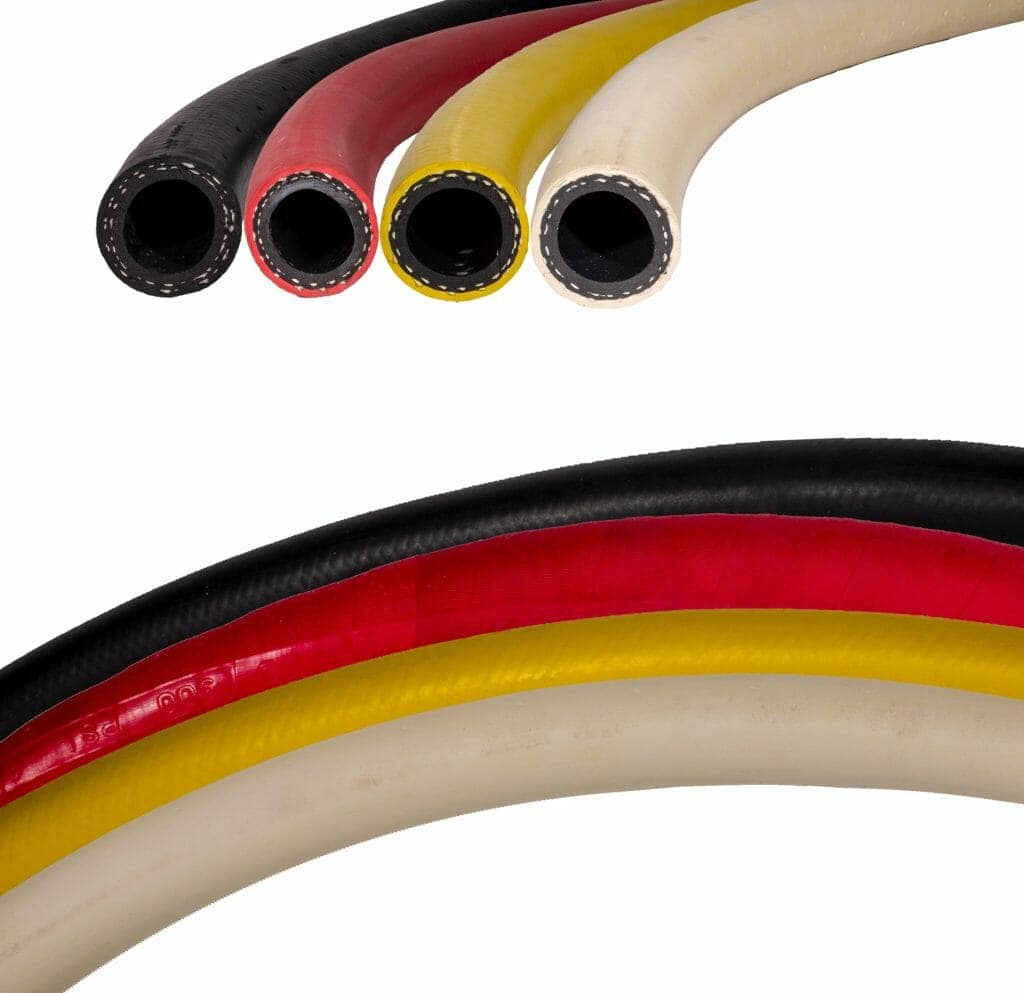
You can get different types of hoses depending on what you’re cleaning. Some are better for oil resistance, others for heat. Color-coding is also a thing, so you can tell which hose is for which job.
Effective Spray Nozzles
The nozzle is where the water actually comes out, and it’s important to have one that works well. You want something that’s durable and easy to use. Good nozzles usually have:
Variable spray patterns, from a gentle spray to a powerful stream.
Easy-to-use levers.
Tough materials like bronze or stainless steel.
Rubber covers to protect them from damage.
Essential Accessory Components
Beyond the main parts, there are other things that can make your washdown system better. These might include:
Hose reels: To keep the hose organized and out of the way.
Swivels: To prevent the hose from kinking.
Quick disconnects: To easily switch between different nozzles or hoses.
Filters: To remove debris from the water.
Putting together a washdown system is like building anything else. You need the right tools for the job. Choosing the right components will make cleaning easier, more effective, and safer in the long run. Don’t skimp on quality, because it will pay off in the end.
Key Selection Criteria for Your Washdown Hose
Choosing the right washdown hose isn’t just about grabbing any old hose off the shelf. It’s about understanding your specific needs and matching the hose to the task. Get it wrong, and you could be dealing with anything from ineffective cleaning to a hose that fails way too soon. Here’s what to think about:
Temperature Requirements for Cleaning
Temperature is a big deal. Different industries and even different tasks within the same facility need different water temperatures. For example:
Dairy plants often need water around 145-160°F.
Meat processing might require even hotter water, like 165-180°F, to deal with fats.
Breweries sometimes use cooler temperatures, like 120-140°F, but with special cleaning chemicals.
Make sure your hose can handle the maximum temperature you’ll be using. A hose that can’t take the heat will degrade quickly, crack, and eventually fail. It’s also important that your mixing station can consistently deliver water at the temperature you need.
Pressure and Flow Rate Considerations
Pressure and flow rate go hand in hand. You need enough pressure to blast away grime, but not so much that you damage equipment. And you need enough flow to get the job done efficiently.
Most food processing applications do well with 50-100 PSI.
If you’re dealing with really stuck-on stuff, you might need up to 150 PSI.
Delicate equipment might need lower pressures, like 30-50 PSI.
Flow rates usually range from 3-12 GPM, depending on what you’re cleaning.
It’s a balancing act. Too little pressure, and you’re scrubbing forever. Too much, and you risk damaging surfaces or splashing contaminants around. Think about what you’re cleaning and choose a hose with the right pressure and flow rate for the job.
Material Compatibility with Chemicals
This is where things can get tricky. You need to make sure the hose material can stand up to whatever cleaning chemicals you’re using. Some chemicals can eat away at certain types of rubber or plastic, leading to leaks and failures. Also, consider the food products themselves. You don’t want a hose that’s going to leach harmful chemicals into the food.
Check that the hose is compatible with all the cleaning chemicals and sanitizers you use.
Make sure it’s made of food-grade materials if you’re in the food industry.
Consider the environmental conditions, like temperature and humidity.
Keep an eye on regulatory requirements, like FDA or USDA standards.
For food processing, stainless steel fittings and food-grade hose materials are usually a must. It’s worth spending a little extra to get a hose that’s built to last and won’t contaminate your products.
Optimizing Washdown Hose Performance
Ergonomics and Operator Safety
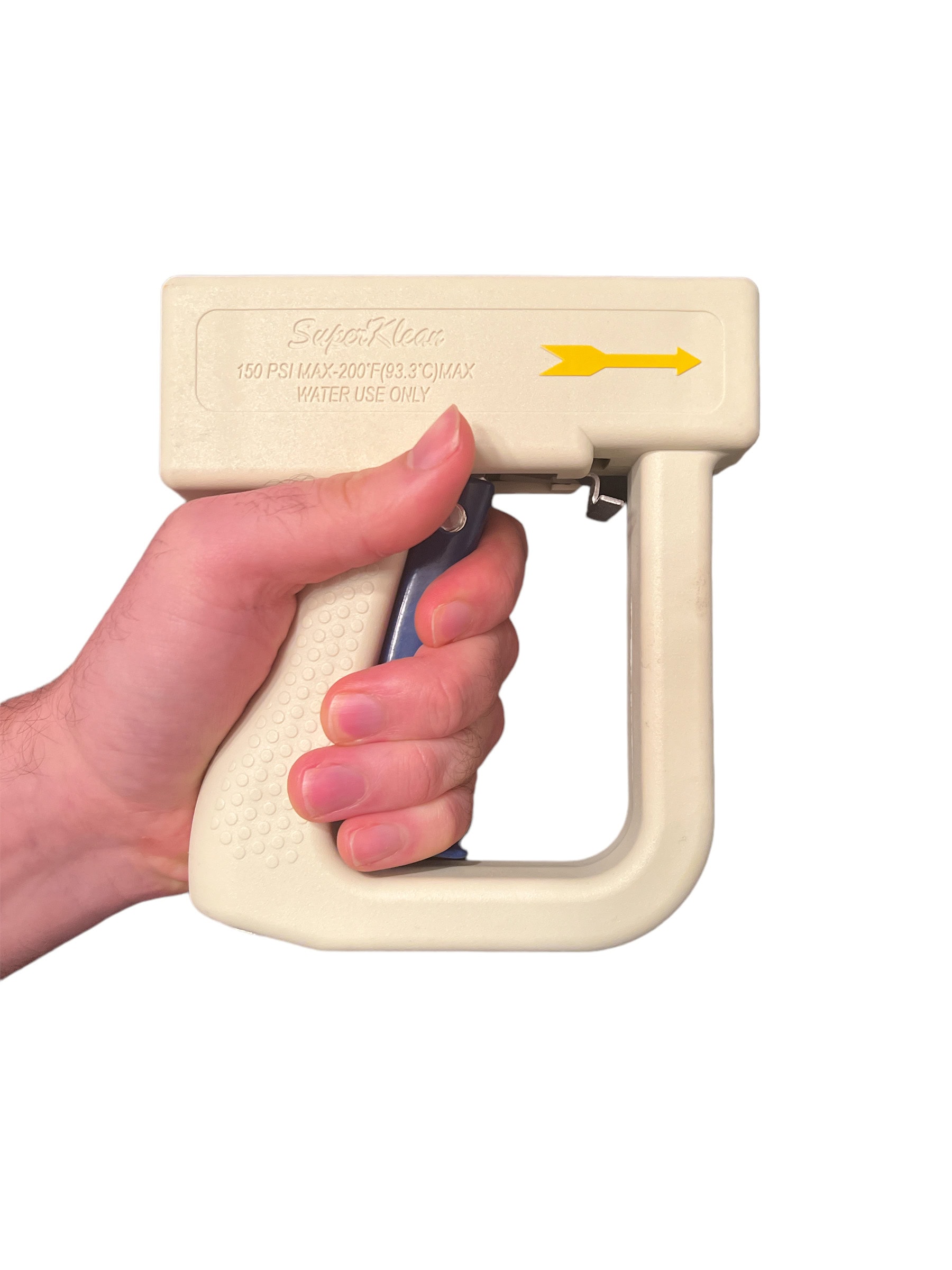
It’s easy to overlook how much operator comfort impacts cleaning. If your team is fighting the equipment, they won’t clean as well. Hose weight and flexibility are key factors in reducing fatigue. Think about it: a lighter, more flexible hose is easier to maneuver, especially in tight spots. Nozzle design matters too. A nozzle that’s easy to grip and control will reduce hand strain during long cleaning sessions. Also, make sure your steam mixing stations have safety features to prevent burns or other accidents.
Don’t forget about hose length. Too short, and your team can’t reach everything. Too long, and it becomes a tripping hazard and a pain to drag around. Getting the right length is a simple way to improve both safety and efficiency.
Industry-Specific Regulatory Compliance
Different industries have different rules about washdown procedures. Food processing plants, for example, have strict guidelines from the FDA and USDA. Make sure your washdown system meets all the relevant regulations for your industry. This might mean using specific materials, like stainless steel fittings, or following certain cleaning protocols. It’s not just about avoiding fines; it’s about keeping your products and customers safe.
Facility Size and Layout Impact
The size and layout of your facility will affect how you set up your washdown system. In a small facility, you might only need one or two mixing stations. But in a larger plant, you’ll need to strategically place multiple stations to minimize hose length and maximize coverage. Think about where the dirtiest areas are and make sure those spots are easy to reach with a hose. Also, consider the location of drains and make sure water can flow easily without creating puddles or hazards.
Here’s a simple table to illustrate how facility size might influence the number of washdown stations needed:
Facility Size (sq ft)
Recommended # of Stations
Under 5,000
1-2
5,000 – 15,000
3-5
Over 15,000
6+
Best Practices for Washdown Hose Installation
Proper installation is super important for washdown systems. It’s not just about slapping things together; it’s about safety, how well the system works, and how long everything lasts. Get it wrong, and you’re looking at problems down the road.
Mixing Station Placement and Setup
Where you put your mixing station matters. You don’t want it miles away from where you need to clean, but you also don’t want it in the way. Here’s what I usually tell people:
Mount those mixing stations securely. Walls or posts are good, and aim for about 4-5 feet off the ground. Makes it easy to reach.
Make sure you’ve got enough steam coming in, usually around 15-80 PSI. Not enough steam, and you’re not getting hot water.
Same goes for cold water – 20-80 PSI is a good range. You need both for the system to work right.
Put pressure gauges on both the steam and water lines. This makes troubleshooting a whole lot easier. If something’s off, you can see it right away.
Think about where you’ll be using the hose the most and put the station nearby. Less hose to drag around.
Getting the mixing station right sets the stage for everything else. If it’s not set up well, you’re fighting an uphill battle from the start.
Proper Washdown Hose Management
Washdown hoses can be a pain if they’re not managed well. They get tangled, they get damaged, and people trip over them. Here’s how to keep things under control:
Hose racks or reels are your friends. Get those hoses off the floor when you’re not using them.
Swivel fittings at the connections can stop the hose from twisting up. Trust me, your arms will thank you.
Make sure the hose is long enough to reach where you need to clean, but not so long that it’s a tripping hazard.
Think about using different colored hoses for different areas or chemicals. It helps keep things organized.
Strain relief at the connection points is a must. It keeps the hose from getting pulled and damaged.
Integrating Safety Systems
Safety is always the top priority. Washdown systems can be dangerous if you’re not careful, especially with hot water and steam. Here’s what to keep in mind:
Emergency shutoff valves are a must. Make sure they’re easy to reach in case something goes wrong.
Good drainage is important to prevent standing water. Nobody wants to slip and fall.
Post the temperature and pressure specs near each station. It’s a good reminder of what you’re working with.
Thermostatic mixing valves can help keep the water temperature consistent. It’s an extra layer of safety.
Lockout procedures for maintenance are important. You don’t want someone turning on the system while you’re working on it.
Choosing the Right Washdown Hose for Specific Applications
It’s not just about getting any washdown hose; it’s about getting the right one for the job. Different applications have different needs, and picking the wrong hose can lead to problems down the line. Think about it – a hose that’s great for a brewery might not hold up in a meat processing plant. Let’s break down some key considerations.
Hose Material for Chemical Resistance
Okay, so you’re dealing with some pretty harsh chemicals. Makes sense. You need a hose that can handle it. Not all hoses are created equal when it comes to chemical resistance. Some materials degrade quickly when exposed to certain substances, leading to leaks, bursts, and contamination. Here’s a quick rundown:
EPDM: Good for hot water and some chemicals, but not great with oils.
Nitrile: Excellent oil resistance, but might not hold up to strong acids.
Chlorobutyl: A good all-around option with decent resistance to many chemicals.
It’s always best to check the manufacturer’s chemical resistance chart to make sure the hose you choose is compatible with the chemicals you’re using. Don’t just guess – it could save you a lot of headaches (and money) later on.
Pressure Ratings for Demanding Tasks
Need to blast away some stubborn grime? You’re going to need a hose with a high-pressure rating. Pressure ratings are measured in PSI (pounds per square inch), and it’s important to choose a hose that can handle the pressure your system is putting out. Exceeding the pressure rating can cause the hose to burst, which is dangerous and can damage equipment.
Here’s a general guide:
Light-duty cleaning: 150-200 PSI
Medium-duty cleaning: 200-300 PSI
Heavy-duty cleaning: 300+ PSI
Also, consider the flow rate (GPM – gallons per minute). Higher flow rates can help you clean faster, but they also require a hose with a larger diameter.
Temperature Tolerance for Hot Water Washdown
Hot water is a great way to sanitize and remove grease, but it can also damage hoses that aren’t designed for it. Make sure your hose is rated for the temperatures you’ll be using. Most standard washdown hoses can handle temperatures up to 200°F, but some specialized hoses can handle even higher temperatures. EPDM hoses, for example, are known for their excellent heat resistance.
Using a hose that’s not rated for hot water can cause it to become brittle, crack, and eventually fail. This can lead to leaks, downtime, and even injuries. Always check the temperature rating before using hot water.
Consider these points when selecting your washdown hose, and you’ll be well on your way to a cleaner, safer, and more efficient operation.
Maintaining Your Washdown Hose for Longevity
Let’s face it, washdown hoses take a beating. They’re dragged around, exposed to chemicals, and subjected to extreme temperatures. But with a little care, you can significantly extend their lifespan and avoid costly replacements. Here’s how to keep your hoses in top shape:
Regular Inspection and Care
Think of regular inspections as preventative medicine for your washdown hoses. A quick once-over can catch small problems before they turn into big ones. Here’s what to look for:
Visual Checks: Look for any signs of damage like cuts, abrasions, bulges, or kinks. Pay close attention to the areas near the couplings, as these are common stress points.
Leak Tests: Turn on the water and check for leaks along the hose and at the connections. Even a small leak can indicate a weakening of the hose material.
Flexibility: Check the hose’s flexibility. If it feels stiff or brittle, it may be a sign that the material is degrading.
Regular cleaning is also important. Rinse the hose after each use to remove any residual chemicals or debris. Use a mild detergent if necessary, but avoid harsh solvents that could damage the hose material.
Proper Storage Techniques
How you store your washdown hose can have a big impact on its longevity. Here are a few tips to keep in mind:
Avoid Direct Sunlight: UV radiation can degrade the hose material over time. Store hoses in a shaded area or indoors.
Use Hose Reels or Racks: These help prevent kinks and tangles, which can weaken the hose. Plus, they keep the hose off the floor, reducing the risk of damage.
Drain the Hose: Before storing, make sure to drain all the water from the hose. This prevents the growth of mold and mildew, which can damage the hose material.
Recognizing Wear and Tear
Even with the best care, washdown hoses will eventually show signs of wear and tear. Knowing what to look for can help you determine when it’s time for a replacement.
Cracking or Fraying: These are clear signs that the hose material is breaking down. Don’t wait for a major failure – replace the hose as soon as you notice these issues.
Reduced Pressure: If you notice a significant drop in water pressure, it could be due to internal damage or blockages in the hose.
Stiff or Brittle Sections: As mentioned earlier, a loss of flexibility indicates that the hose material is degrading and needs replacement.
Replacing your washdown hose at the first sign of significant wear is crucial for maintaining a safe and efficient washdown system. Ignoring these signs can lead to hose failures, which can cause injuries, downtime, and costly repairs.
Advanced Features in Modern Washdown Hoses
Washdown hoses have come a long way! It’s not just about a rubber tube anymore. Modern hoses incorporate some pretty cool features designed to make cleaning easier, safer, and more efficient. Let’s take a look at some of the advancements you might find.
Color-Coding for Application Designation
Ever mixed up hoses for different tasks? Color-coding can help prevent cross-contamination and ensure the right hose is used for the right job. Different colors can be assigned to specific cleaning agents or areas of the facility. This simple system can significantly reduce errors and improve hygiene.
For example:
Blue: General cleaning
Red: Sanitizing
Green: Potable water
Yellow: Specific chemical application
Enhanced Flexibility for Maneuverability
Stiff, unwieldy hoses can be a pain, especially in tight spaces. Modern washdown hoses often feature enhanced flexibility, making them easier to maneuver around equipment and obstacles. This reduces strain on the operator and improves cleaning efficiency. Materials and construction techniques contribute to this flexibility. You’ll find hoses made with special polymers or reinforced with flexible braiding.
Specialized Cover Compounds
The outer cover of a washdown hose takes a beating. It needs to withstand abrasion, chemicals, and extreme temperatures. Modern hoses use specialized cover compounds designed for specific environments. For example, some covers are highly resistant to oils and fats, while others are better suited for acidic or alkaline cleaning agents. Choosing the right cover compound can significantly extend the life of your hose.
Selecting a hose with the appropriate cover compound is important. Consider the chemicals used in your cleaning process and choose a hose that is rated for those chemicals. Check the manufacturer’s specifications for chemical resistance data. This will help you avoid premature hose failure and ensure a safe working environment.
Conclusion
So, picking the right washdown hose for your industrial setup really comes down to a few things. You need to think about what kind of stuff you’re cleaning up, how hot the water needs to be, and what kind of pressure you’ll use. Also, don’t forget about how often you’ll use it and if it needs to stand up to harsh chemicals. Getting this right means your cleaning will be more effective, your equipment will last longer, and everyone stays safer. It’s all about making smart choices to keep things running smoothly and cleanly.
Frequently Asked Questions
What exactly is a washdown hose?
A washdown hose is a special hose made to handle tough cleaning jobs in places like food factories. It can deal with hot water, strong chemicals, and high pressure without breaking down. This helps keep things clean and safe.
How do I pick the right washdown hose for my business?
You need to think about a few things: how hot the water will be, how much pressure you need, what chemicals you’ll use, and how often you’ll use it. Also, consider if it needs to be flexible or resistant to certain things like oils or fats.
Are all washdown hoses the same, or are there different kinds for different jobs?
Yes, definitely! Different jobs need different hoses. For example, a hose used in a dairy plant might need to handle different temperatures and chemicals than one used in a meat processing facility. It’s important to match the hose to the specific task.
What’s the best way to take care of my washdown hose so it lasts a long time?
To make your hose last longer, always hang it up properly after use, check it regularly for any damage, and clean it well. Don’t drag it on rough surfaces or let it get tangled, as this can wear it out faster.
Do washdown hoses need to meet any special rules or standards?
Yes, many industries have rules about the types of hoses and cleaning systems you can use. This is especially true for places that handle food or medicines. You need hoses that meet safety and health standards.
What new features can I find in today’s washdown hoses?
Modern washdown hoses can come with cool features like different colors to show what they’re used for, extra flexibility for easier handling, and special outer layers that resist specific chemicals or wear and tear. These features make cleaning safer and more efficient.
We use cookies on our website to give you the most relevant experience by remembering your preferences and repeat visits. By clicking “Accept All”, you consent to the use of ALL the cookies. However, you may visit "Cookie Settings" to provide a controlled consent.
This website uses cookies to improve your experience while you navigate through the website. Out of these, the cookies that are categorized as necessary are stored on your browser as they are essential for the working of basic functionalities of the website. We also use third-party cookies that help us analyze and understand how you use this website. These cookies will be stored in your browser only with your consent. You also have the option to opt-out of these cookies. But opting out of some of these cookies may affect your browsing experience.
Necessary cookies are absolutely essential for the website to function properly. These cookies ensure basic functionalities and security features of the website, anonymously.
Cookie
Duration
Description
__stripe_mid
1 year
Stripe sets this cookie cookie to process payments.
__stripe_sid
30 minutes
Stripe sets this cookie cookie to process payments.
cookielawinfo-checkbox-advertisement
1 year
Set by the GDPR Cookie Consent plugin, this cookie is used to record the user consent for the cookies in the "Advertisement" category .
cookielawinfo-checkbox-analytics
11 months
This cookie is set by GDPR Cookie Consent plugin. The cookie is used to store the user consent for the cookies in the category "Analytics".
cookielawinfo-checkbox-functional
11 months
The cookie is set by GDPR cookie consent to record the user consent for the cookies in the category "Functional".
cookielawinfo-checkbox-necessary
11 months
This cookie is set by GDPR Cookie Consent plugin. The cookies is used to store the user consent for the cookies in the category "Necessary".
cookielawinfo-checkbox-others
11 months
This cookie is set by GDPR Cookie Consent plugin. The cookie is used to store the user consent for the cookies in the category "Other.
cookielawinfo-checkbox-performance
11 months
This cookie is set by GDPR Cookie Consent plugin. The cookie is used to store the user consent for the cookies in the category "Performance".
CookieLawInfoConsent
1 year
Records the default button state of the corresponding category & the status of CCPA. It works only in coordination with the primary cookie.
elementor
never
This cookie is used by the website's WordPress theme. It allows the website owner to implement or change the website's content in real-time.
PHPSESSID
session
This cookie is native to PHP applications. The cookie is used to store and identify a users' unique session ID for the purpose of managing user session on the website. The cookie is a session cookies and is deleted when all the browser windows are closed.
viewed_cookie_policy
11 months
The cookie is set by the GDPR Cookie Consent plugin and is used to store whether or not user has consented to the use of cookies. It does not store any personal data.
Functional cookies help to perform certain functionalities like sharing the content of the website on social media platforms, collect feedbacks, and other third-party features.
Performance cookies are used to understand and analyze the key performance indexes of the website which helps in delivering a better user experience for the visitors.
Analytical cookies are used to understand how visitors interact with the website. These cookies help provide information on metrics the number of visitors, bounce rate, traffic source, etc.
Cookie
Duration
Description
_ga
2 years
The _ga cookie, installed by Google Analytics, calculates visitor, session and campaign data and also keeps track of site usage for the site's analytics report. The cookie stores information anonymously and assigns a randomly generated number to recognize unique visitors.
_ga_J3FF9P982K
2 years
This cookie is installed by Google Analytics.
_ga_JQ2CJEZVEL
2 years
This cookie is installed by Google Analytics.
_gat_UA-124327544-1
1 minute
A variation of the _gat cookie set by Google Analytics and Google Tag Manager to allow website owners to track visitor behaviour and measure site performance. The pattern element in the name contains the unique identity number of the account or website it relates to.
_gcl_au
3 months
Provided by Google Tag Manager to experiment advertisement efficiency of websites using their services.
_gid
1 day
Installed by Google Analytics, _gid cookie stores information on how visitors use a website, while also creating an analytics report of the website's performance. Some of the data that are collected include the number of visitors, their source, and the pages they visit anonymously.
CONSENT
2 years
YouTube sets this cookie via embedded youtube-videos and registers anonymous statistical data.
Advertisement cookies are used to provide visitors with relevant ads and marketing campaigns. These cookies track visitors across websites and collect information to provide customized ads.
Cookie
Duration
Description
IDE
1 year 24 days
Google DoubleClick IDE cookies are used to store information about how the user uses the website to present them with relevant ads and according to the user profile.
test_cookie
15 minutes
The test_cookie is set by doubleclick.net and is used to determine if the user's browser supports cookies.
VISITOR_INFO1_LIVE
5 months 27 days
A cookie set by YouTube to measure bandwidth that determines whether the user gets the new or old player interface.
YSC
session
YSC cookie is set by Youtube and is used to track the views of embedded videos on Youtube pages.
yt-remote-connected-devices
never
YouTube sets this cookie to store the video preferences of the user using embedded YouTube video.
yt-remote-device-id
never
YouTube sets this cookie to store the video preferences of the user using embedded YouTube video.
yt.innertube::nextId
never
This cookie, set by YouTube, registers a unique ID to store data on what videos from YouTube the user has seen.
yt.innertube::requests
never
This cookie, set by YouTube, registers a unique ID to store data on what videos from YouTube the user has seen.